What Are Die-Cast Zinc Alloy Perfume Caps?
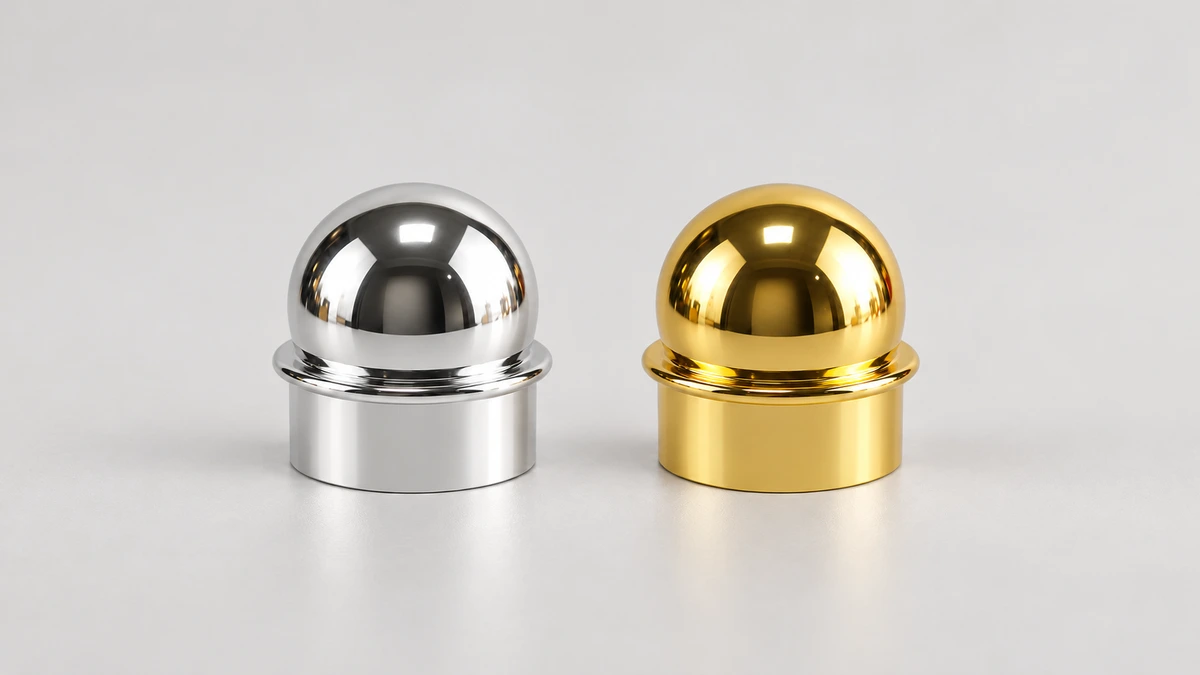
When developing perfume packaging, the cap’s dome, facets, weight, and color all deserve a closer look. Understanding these features means knowing what the metal body is made of, how it is formed, and how its surface is treated. Wbmetal’s dome-shaped perfume cap provides an example for understanding this type of die-cast product.
Perfume Caps: The Metal Body and Plastic Insert
Die-cast zinc alloy perfume caps are outer covers for perfume bottles, with a main metal body made from a zinc-based alloy. During manufacture, the molten alloy enters a metal die and solidifies inside it. The cap body then undergoes trimming, polishing, and surface finishing to achieve its final appearance.
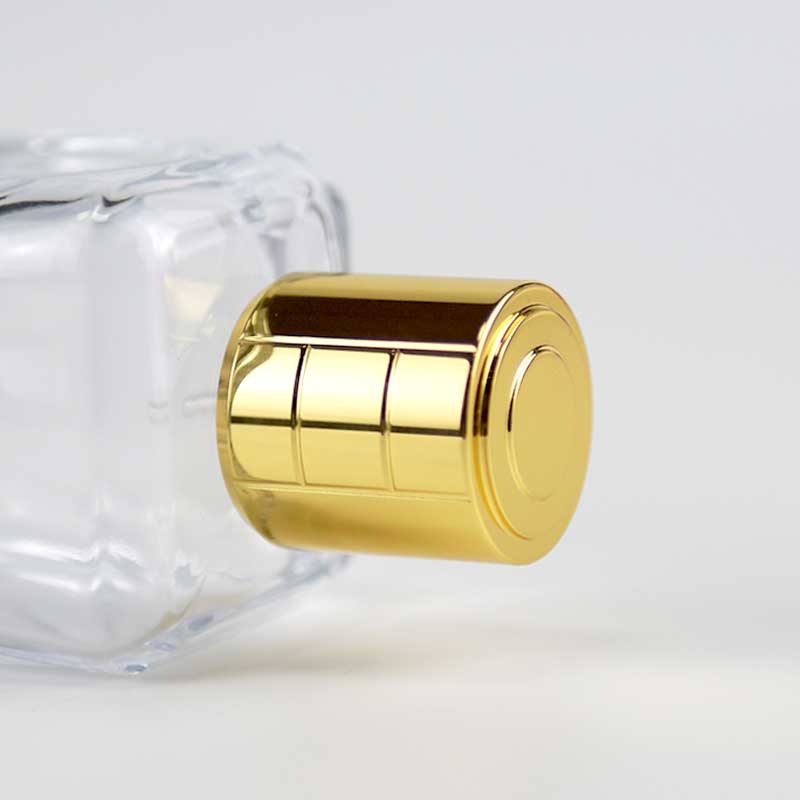
This dome-shaped cap from Wbmetal has a die-cast Zamak 3, or Alloy 3, body and a plastic insert. The inverted view shows a black insert inside the cap opening. The body has an internal space that accommodates the bottle’s spray head and related components.
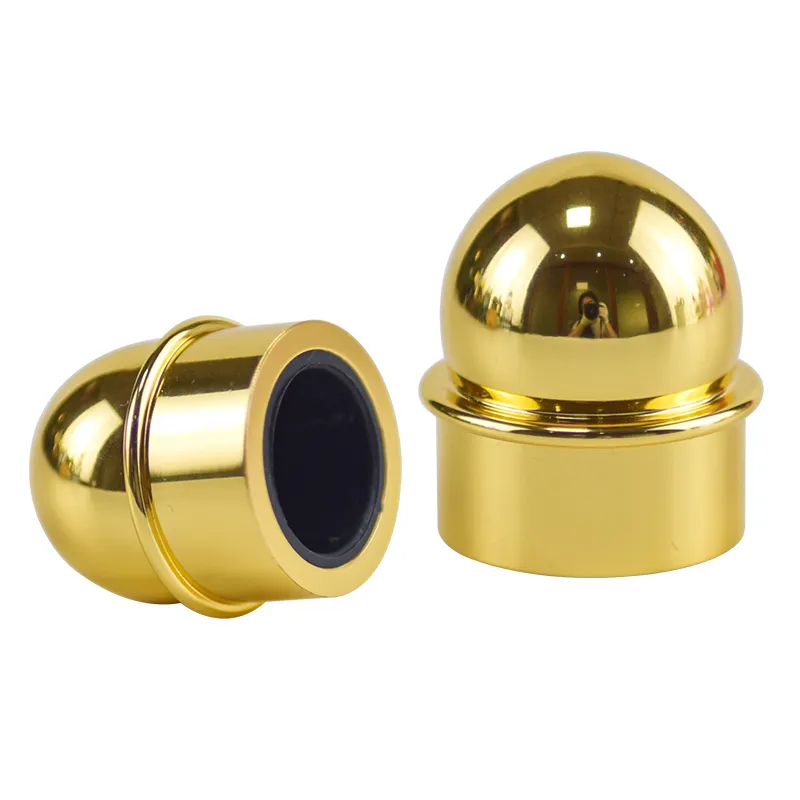
The metal body gives the cap its shape and most of its weight, while the insert fits around the top of the bottle. In snap-fit perfume caps, features on the insert engage with the collar at the bottle top, allowing the outer cap to be fitted and pulled off. The engagement features and the method used to secure the insert vary between designs.
On a spray perfume bottle, the outer cap covers the spray head and contributes to the packaging’s appearance. The spray pump and its closure at the bottle neck provide the liquid seal. The weight of the outer cap and whether the perfume leaks therefore need to be considered separately.
Zinc Alloy Composition and the Cap’s Weight
Zinc alloy consists mainly of zinc, with additions such as aluminum, magnesium, and copper. The specific amounts depend on the alloy grade and the applicable specification. This dome-shaped cap uses Zamak 3. Eastern Alloys’ data sheet gives the following composition ranges for castings of this grade:
| Element | Mass fraction in the casting |
|---|---|
| Aluminum | 3.7%-4.3% |
| Magnesium | 0.02%-0.06% |
| Copper | Not more than 0.10% |
| Zinc | Balance |
Material information from NADCA, the North American Die Casting Association, explains that around 4% aluminum and a small amount of magnesium are added to these Zamak zinc alloys to increase strength and hardness and prevent intergranular corrosion. Intergranular corrosion occurs along the boundaries between metal grains.
The data sheet lists a typical density of 6.6 g/cm³ for Zamak 3. At this density, 1 cm³ of the alloy weighs approximately 6.6 g. For the same alloy, a greater volume of metal in the cap body means greater weight. This explains where a zinc alloy cap’s weight comes from while also showing why the finished weight depends on wall thickness, dimensions, and internal space.
The same data sheet gives a melting range of 381-387 °C. Once molten, the alloy can pass through the injection system into the die and then solidify into the cap body. This range describes a typical material property. It should not be treated as the furnace setting or injection temperature for a particular cap.
How Die Casting Forms the Outer Shape and Inner Cavity
Zinc alloy can be processed by hot-chamber die casting. The hot-chamber injection system is connected to the molten metal bath. After the metal enters the injection chamber, a plunger pushes it through the gooseneck, nozzle, and runner into the closed die.
The space left for the molten metal inside the die is called the die cavity. Its walls determine the cap’s outer contour, while a core extends into the cavity and occupies the space intended for the cap’s interior. Molten metal fills the space around the core and solidifies to form the cap’s top and sidewalls. The core occupies the cap’s internal space in advance, so that space is not filled with metal during casting.
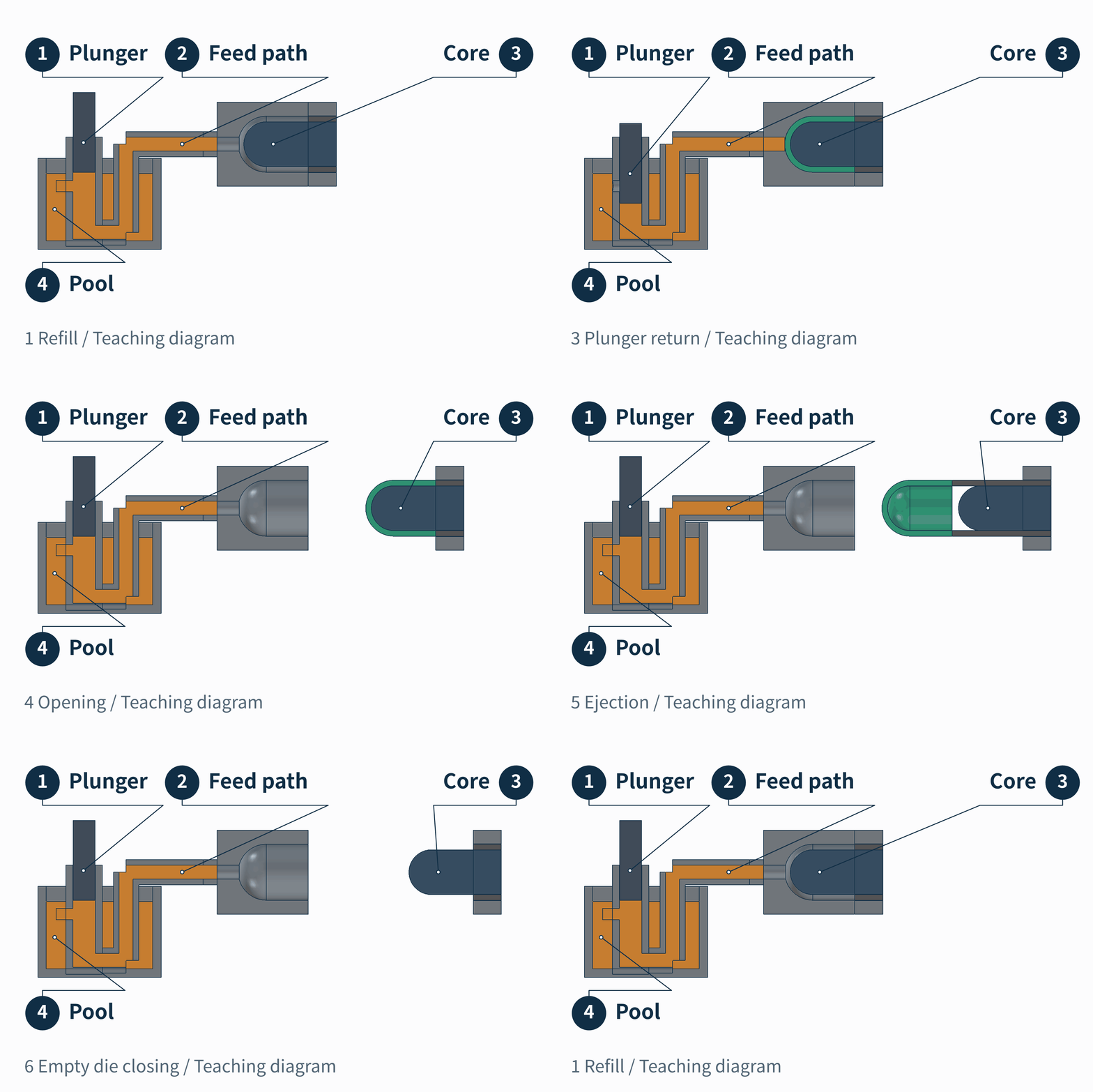
After filling, the alloy solidifies inside the die. The die opens, and the ejection mechanism pushes the casting out. The injection plunger sends molten metal into the die, while the ejection mechanism removes the casting after it has formed. These are separate actions. The casting still has runner or gate material attached, which must be removed before further processing.
Die casting allows the cap’s contours, steps, and raised or recessed details suitable for release to be formed together with the main body. The die must also be able to open, and the casting must be removable. Undercuts that obstruct the removal direction and large changes in wall thickness need to be addressed during product and die design. Excessively thick local sections can develop porosity if shrinkage is not adequately compensated during solidification. Giving a cap more weight does not mean making every section thicker.
How Polishing and Surface Finishing Change the Cap
Die casting first forms the main shape. Wbmetal’s product page for the dome-shaped cap lists deburring, polishing, and surface finishing as subsequent processes, with electroplating and spray coating among the appearance options.
These processes act on different aspects of the cap. Trimming removes gate material and burrs, while polishing improves the smoothness of the metal surface. Electroplating adds a metal layer, and spray coating forms a coating on the surface. Gold, silver, or dark finishes can retain the same cap body contours while producing different colors and reflective effects.
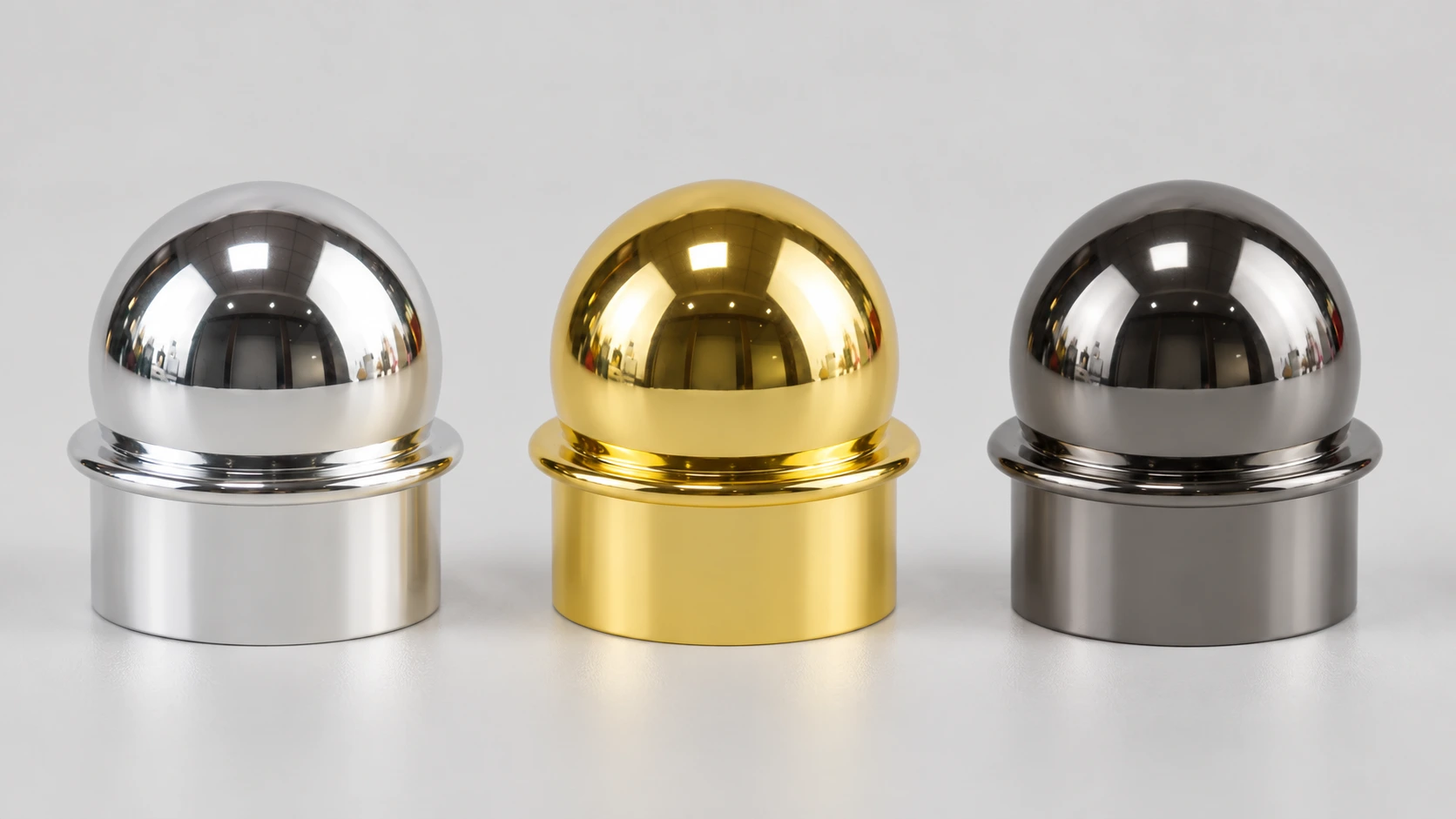
The color of a gold perfume cap alone does not identify the alloy grade underneath. A glossy finish also needs to be understood in terms of the substrate condition, polishing, and plated layer. The International Zinc Association explains that highly reflective surfaces accentuate small irregularities, and a substrate suitable for electroplating should be essentially free of surface defects. Porosity or surface cleanliness problems can still affect the outcome. A plated layer cannot be expected to repair every defect automatically.
The weight of a die-cast zinc alloy perfume cap comes from both the material and the volume of metal used. Its shape comes from the die and subsequent processing, while its color and gloss come from surface finishing. Understanding these separate contributions explains how the same type of zinc alloy cap body can produce different perfume packaging effects.