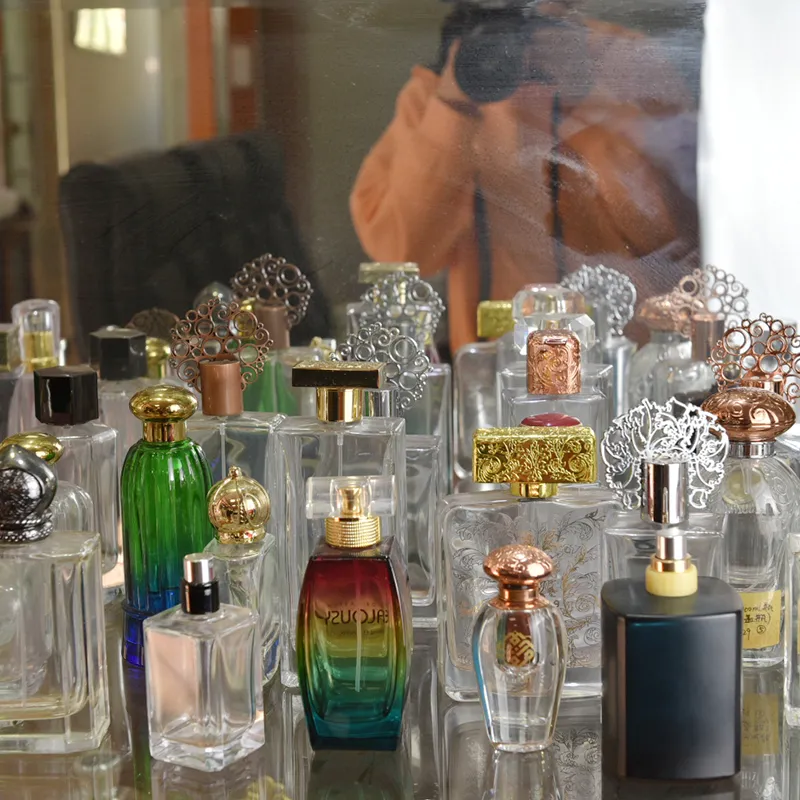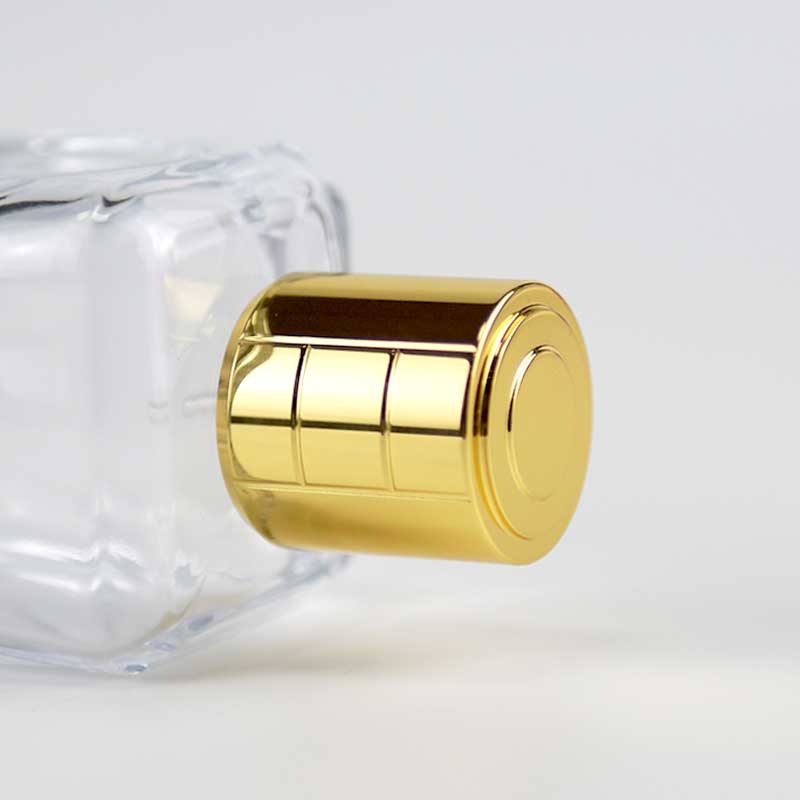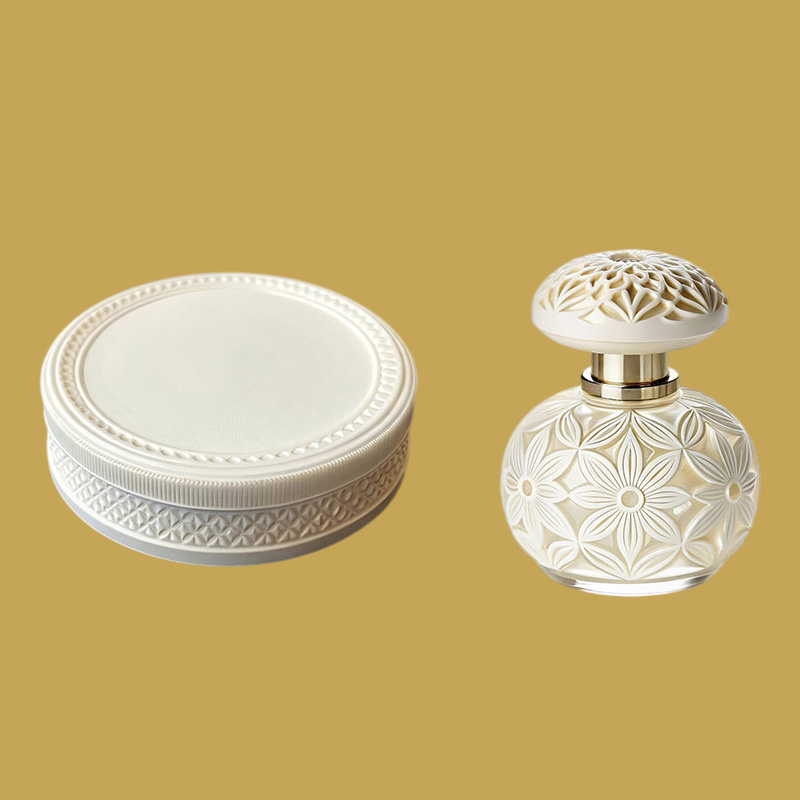
RichPack’s 2026 packaging trends report highlights a striking figure: recycled or recyclable materials now account for 48% of new luxury fragrance packaging, up from just 27% in 2020. The change on retail shelves is just as noticeable. The world’s best-selling prestige fragrances—including the men’s cologne that has topped sales charts for consecutive years—all feature caps with a distinct metallic feel. This transition is more than an aesthetic preference. Clear commercial drivers are pushing it forward.
Most perfume caps on the market today are still plastic. Mass-market lines rely on them entirely, and many prestige brands still use them as well. This switch is happening specifically at the high end—it represents market differentiation rather than an outright replacement. That raises a practical question: if plastic caps are cheaper, why are luxury brands moving to more expensive zinc alloy? Three main drivers explain the shift: the tactile weight during the first three seconds of opening, tightening recycling regulations, and production costs that drop steadily at scale.
Prestige Shelves Are Upgrading Caps
A report from Mordor Intelligence on the US plastic bottle cap market reveals a telling metric: luxury overcaps with metallic finishes now hold a 6% to 8% value share, concentrated almost entirely in high-end spirits and prestige fragrances. This measures value share, not volume. The luxury segment captures higher revenue with fewer units. What makes this data notable is that it only tracks plastic closures—meaning plastic caps are actively mimicking metal finishes to compete for the shelf’s most profitable tier.
The move toward metal is concentrated in the prestige category because that is where industry growth is happening. Prestige fragrances represent the fastest-growing segment in the market, with analysts projecting annual growth rates between 4% and 7%—well above the broader industry average. Because growth is concentrated here, retail competition is fierce. No brand wants to lose on first impressions, and when consumers pick up a bottle, the cap is the first thing they touch.
Why Luxury Fragrances Are Making the Switch
Driver 1: Tactile weight in the first three seconds. This impact happens outside traditional retail—it happens on camera. On TikTok, the #unboxing hashtag has generated over 44 billion views, with luxury unboxing videos ranking among the top performers. A Google study also revealed that 62% of unboxing viewers research products before purchasing. Those three seconds spent opening a bottle are often broadcast to millions of potential buyers.
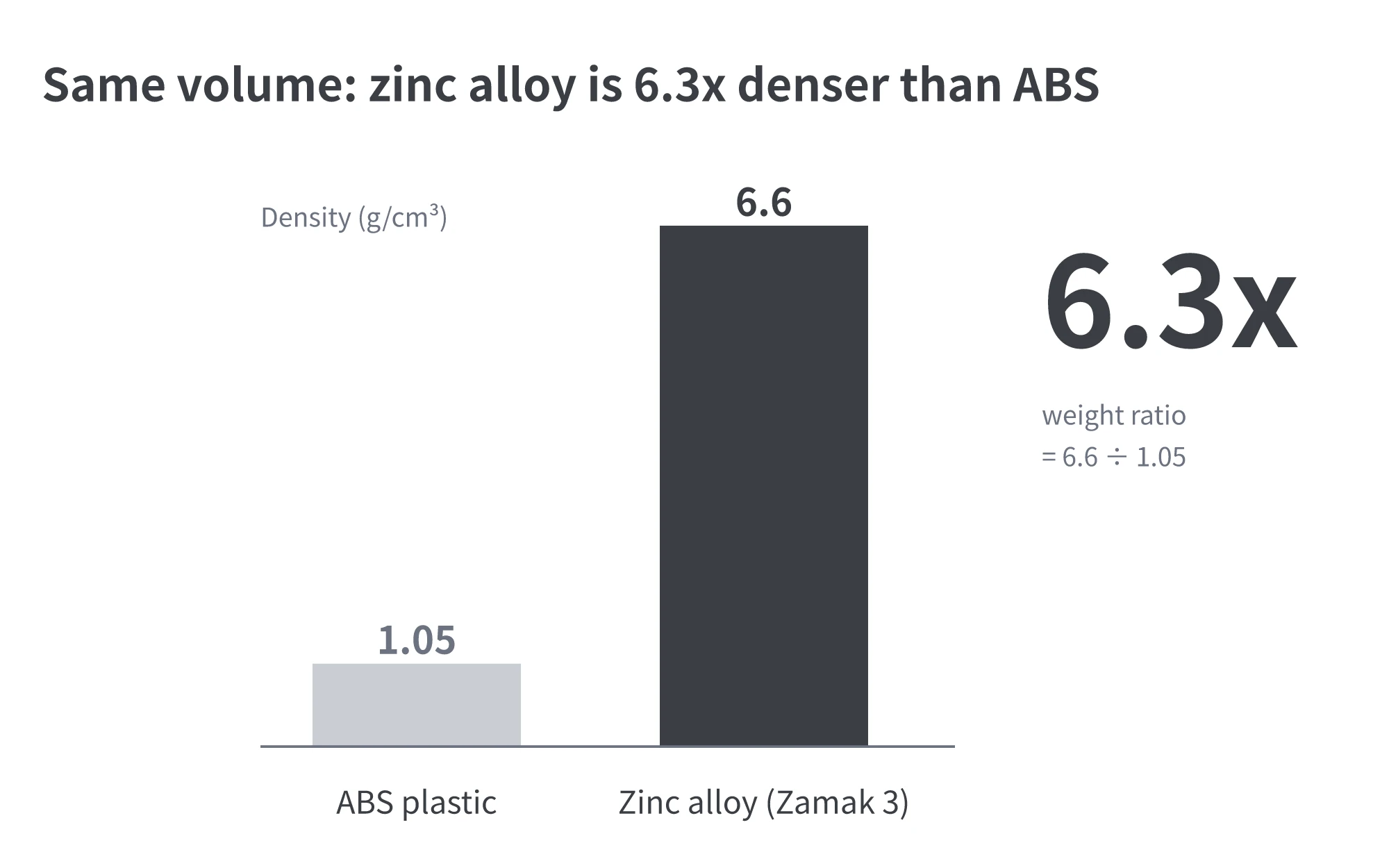
Video amplifies tactile cues. In consumer psychology, the link between physical weight and perceived luxury is well-documented: take the same fragrance, make the cap heavier, and consumers consistently rate the product higher. The physical difference is substantial. Zamak 3 (3# zinc), the standard alloy for metal Tappi per profumo, has a density of 6.6 g/cm³. Standard ABS plastic has a density of just 1.05 g/cm³. For identical dimensions, a zinc alloy cap weighs over six times more than a plastic one—a difference consumers feel immediately.
Weight must be engineered intentionally, however. A 2023 packaging perception study from KU Leuven found that consumers grow skeptical of artificial heft: unnecessary, bulky weight is often perceived as wasteful or manipulative. Weight should serve a purpose—and the cap, an active touchpoint opened on every use, is the ideal component for it. Factories that produce perfume caps generally categorize products into three weight brackets: lightweight (24 to 37 g) for daily wear and women’s scents; standard (42 to 57 g) for versatile applications; and weighted (59 to 124 g) for luxury lines, men’s colognes, and collector editions. Weight is a deliberate design tier, not extra material dumped into a mold.
Driver 2: Recycling compliance deadlines. This requirement comes directly from regulatory mandates. The EU Packaging and Packaging Waste Regulation (PPWR) took effect in early 2025 and applies broadly starting August 2026, setting a firm threshold for January 2030: all packaging entering the EU must pass recyclability grading, and items failing to meet a 70% recyclability score will be phased out. The regulation explicitly targets multi-material assemblies like “complex caps,” which includes electroplated plastic closures. In the UK, the rules hit brand budgets directly: starting in 2026, packaging disposal fees correlate with recyclability ratings, meaning hard-to-recycle components cost more per unit.
Why do plastic caps create compliance bottlenecks? While glass perfume bottles are recyclable in theory, practical recycling rates remain low due to mixed materials at the neck—metal collars, plastic caps, and surface coatings that sorting facilities cannot separate. Electroplated plastic caps fall into this hard-to-separate category. Zinc alloy offers a distinct advantage: the shell is a mono-material metal that can be melted down repeatedly without material degradation, making recyclability certification much simpler.
Zinc alloy is not an automatic sustainability solution, however. Mining raw zinc leaves an environmental footprint, as documented by the International Zinc Association. The real advantage of zinc alloy is specific: compared to electroplated plastic, it is easier to recycle and easier to certify under new regulations. Achieving full sustainability still requires material reduction and refillable formats—changing the cap alone is not the whole answer.
Driver 3: Lower unit costs at production volume. This comes down to manufacturing economics. Zinc alloy caps require higher initial investment for steel molds and machine setup. Once production scales, the math shifts: die casting cycle times drop under one minute, and multi-cavity tooling produces dozens of caps per shot. Trimmings, runners, and sprues are remelted on-site, quickly lowering per-unit costs. As order volumes increase, the price gap with plastic narrows significantly.
Benchmark pricing from contract manufacturing platforms shows the trend: for small components, the unit cost difference between plastic injection molding and zinc alloy die casting is relatively small; the wider cost gap sits with aluminum die casting. Zinc alloy provides the most economical balance of authentic metallic heft and accessible unit cost among structural metals.
Taken together, these three drivers explain why the transition is accelerating now: unboxing media drives consumer expectations, regulatory deadlines are approaching, and high-volume die casting keeps costs manageable. Brands did not suddenly decide they prefer metal—these commercial forces simply converged.
Plastic vs. Zinc Alloy: A Direct Comparison
Plastic has not lost across every metric. To understand where each material performs best, consider how both are produced. On the metal side: zinc ingots are melted and die-cast into raw blanks. Freshly demolded blanks have rough surfaces, so they undergo CNC machining for dimensional accuracy, mechanical polishing for smoothness, copper base-plating, immersion wet electroplating, and a protective clear lacquer topcoat. On the plastic side: injection molding yields smooth parts in a single step. For a metallic finish, plastic parts receive vacuum metallization—an ultra-thin layer applied without chemical immersion baths. In both cases, the cap secures to the bottle neck via an internal plastic liner; a metal cap is an assembly of a metal outer shell and an inner plastic insert. Both achieve their metallic appearance during finishing, but one coats solid metal while the other bonds a micron-thin film to plastic. Nearly every functional difference comes down to this distinction.
| Comparison Factor | Plastic Caps | Zinc Alloy Caps |
|---|---|---|
| Tactile Weight | Lightweight, minimal physical presence | 6x density, substantial feel in hand |
| Costo unitario | Lower upfront unit cost | Higher initial investment, narrows with volume |
| Perceived Quality | Metallic finish from a micron-thin coating | Solid metal body with cool-to-touch feel |
| Transparency & Geometry | Translucent styles possible; rapid sampling | No transparency; excels at crisp 3D cast reliefs |
| Recycling & Compliance | Mixed-material plating, difficult to separate | Mono-metal shell, repeatedly remeltable without downcycling |
| Shipping Weight | Lighter overall bottle, lower freight costs | Cap is 6x heavier, increasing logistics weight |
| Production Lead Time | Fast single-step injection molding | Multi-step: casting, CNC, polishing, electroplating |
| Metallic Appearance | Vacuum metallizing replicates look, not weight | Authentic look, weight, and cool metallic touch |
Plated appearance vs. solid metal: Plastic caps can mimic the look of metal through vacuum metallization at a low cost. That coating is only a few microns thick, however: it lacks weight, does not feel cool to the touch, and wears down over time to reveal the plastic substrate. Zinc alloy delivers authentic metal throughout: six times the density, an immediate cool touch, and solid metal under any surface abrasions.
Transparency remains unique to plastic: Zinc alloy cannot produce transparent or translucent caps. For fresh, airy fragrance profiles that require clear packaging, plastic has no direct rival, which is why several prestige collections continue using plastic closures.
Complex geometries favor metal yield rates: For intricate designs, plastic injection molding depends on uniform cooling; uneven wall thicknesses lead to sink marks and warpage. In contrast, zinc alloy die casting captures intricate 3D details during casting, followed by CNC machining and polishing for tight tolerances. For embossed badges, relief patterns, and sculpted shapes, metal casting delivers more consistent manufacturing yields.
The manufacturing trade-offs are straightforward: plastic delivers lower unit costs, lighter shipping weight, transparency, and fast prototyping. Zinc alloy delivers physical weight, premium perceived quality, and easier regulatory compliance. Prestige fragrance margins support the cost of zinc alloy and benefit from the unboxing presence it provides. Mass-market lines require the opposite balance. The choice between materials is a calculated commercial decision.
Which Fragrance Lines Should Upgrade?
The decision to switch to zinc alloy depends on product positioning. Prestige lines require the tactile weight of the first three seconds and clear regulatory compliance, making zinc alloy the logical option. For mass-market lines, plastic caps remain the practical choice—cost efficiency, light shipping weight, and transparency remain strong advantages.
The industry logic behind this switch is straightforward: competition in prestige fragrance has moved from the liquid inside the bottle to the first three seconds of opening it. The cap is the first physical component a customer touches before deciding if the product justifies its price tag. When all three drivers align, upgrading the cap is a natural step. The real risk lies in forcing a transition where it does not fit—putting heavy metal caps on everyday lines feels mismatched, while using them on mass-market volumes hurts profit margins.
To determine whether your product line should upgrade, evaluate three factors: whether the fragrance targets the prestige tier, whether it is packaged for gift sets or repeat gifting, and whether target distribution channels face EU or UK recycling compliance mandates. If your product meets two of these three criteria, a transition is worth serious evaluation.
At Wbmetal, we specialize in zinc alloy die casting and precision mold manufacturing. If you are evaluating closures for an upcoming fragrance line, share your product positioning and estimated volume with our engineering team. We will calculate the cost structure across lightweight, standard, and weighted tiers to help you select the most effective solution. For a quote, simply provide your target quantities.