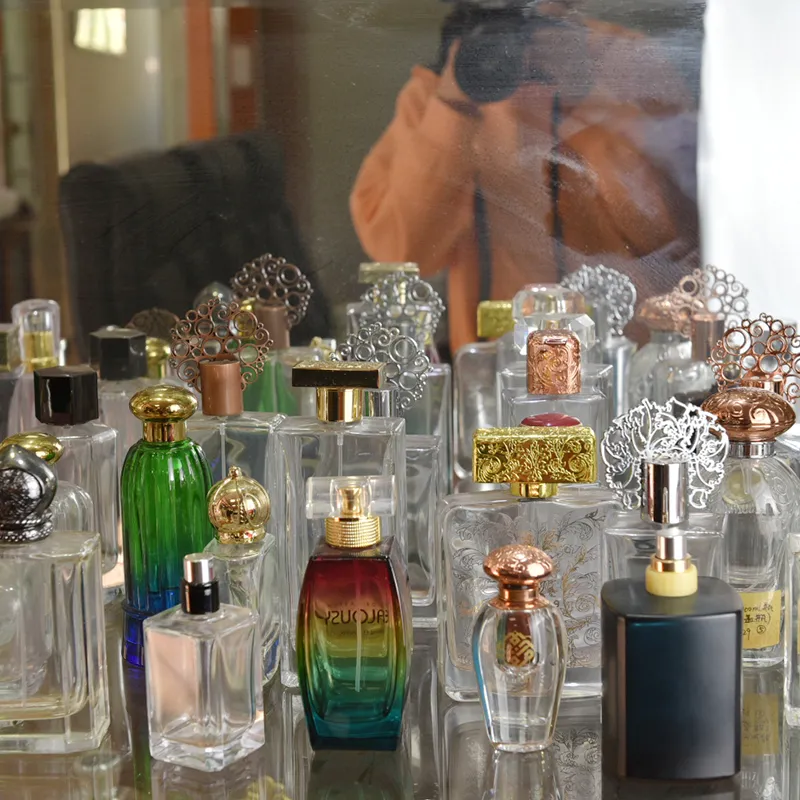
Most fragrance brand founders hit the same wall: you love the weight and feel of a metal cap, but the quote comes back with a separate tooling charge and an MOQ of 5,000 units or more. Your initial launch plan of 2,000 to 3,000 bottles grinds to a halt. The dilemma is classic: you managed to keep MOQs low on standard glass bottles, but a custom cap wipes out those savings.
You don’t need a fully custom mold for the entire cap. A metal perfume cap feels solid in hand, but it consists of two distinct parts: an inner plastic insert that handles closure fit and an outer zinc alloy shell that creates the shape and visual appeal. Pairing an off-the-shelf standard insert with a custom outer shell gives you a semi-custom cap. This approach cuts both tooling costs and minimum order quantities significantly.
What Comprises a Metal Perfume Cap?
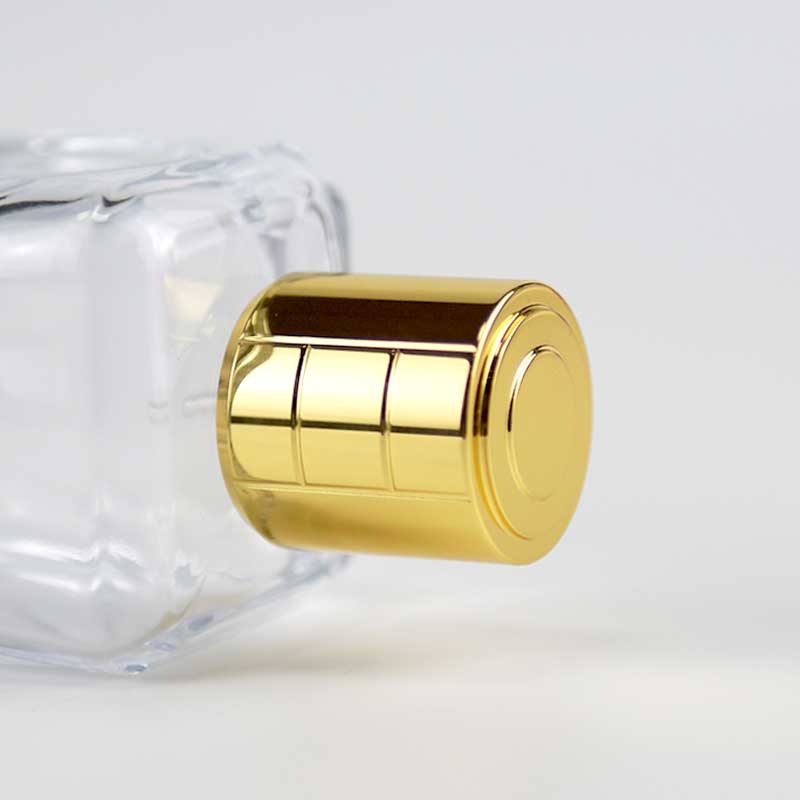
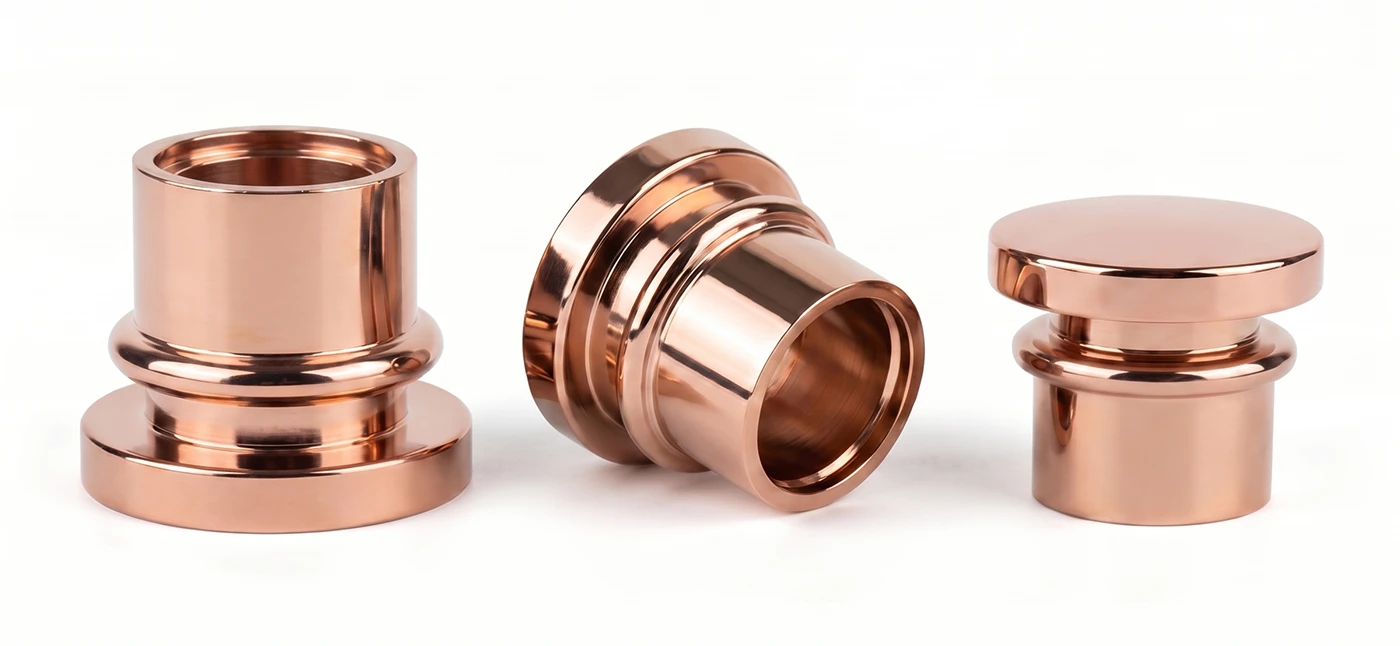
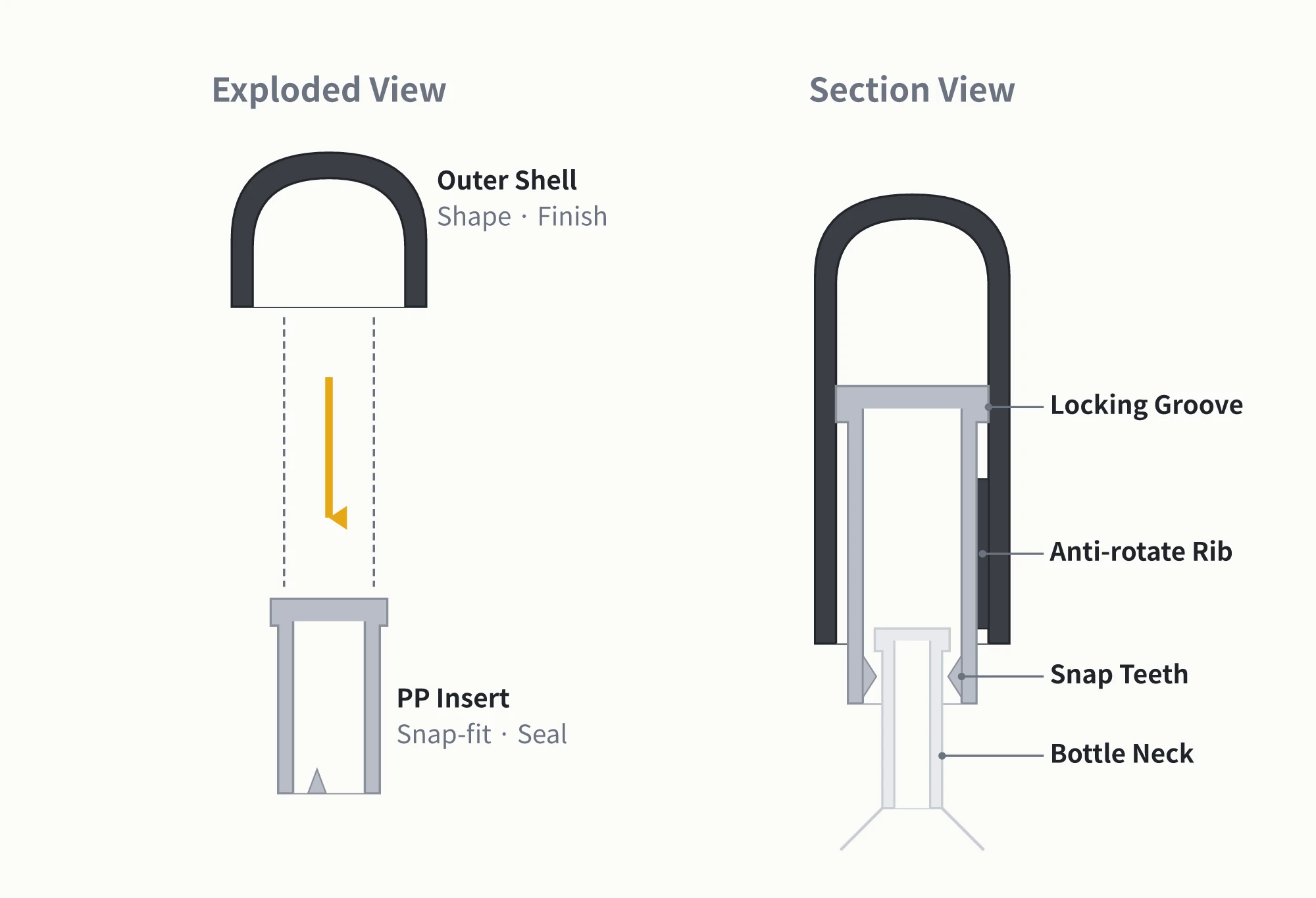
A metal perfume cap has two parts: an outer zinc alloy shell that delivers the shape and weight and an inner plastic insert that handles retention and sealing. The insert is a molded plastic component, typically made of PP (polypropylene) or ABS.
Why separate them? Zinc alloy is rigid and has no spring elasticity. If the metal shell presses directly against a glass bottle neck, it will scratch the finish and fail to seal. Snapping or clicking securely requires flexible plastic. The insert also serves as a protective barrier, keeping alcohol vapors away from the electroplated finish of the metal shell.
Break down your design concept, and the manufacturing path becomes simple: geometry, heft, surface finish, and logos belong to the outer shell. Bottle engagement and snap feel belong to the insert. Choosing the right standard insert solves the mechanical fit immediately.
How to Select a Standard Insert
Your first step isn’t picking an insert—it’s finalizing the bottle neck finish. The bottle neck dictates the insert’s internal fit, whether it uses threads or snap-fit ribs. If you work backward by designing the shell first, you risk scrapping the tooling: the insert neck size cannot change, and the shell cavity must match the insert’s outer dimensions. A mismatch renders the entire outer shell useless.
In the packaging industry, neck finishes are categorized by diameter. A 15 mm neck refers to standard sizes like FEA 15 for crimp-on pumps or 15-tooth screw finishes. In European crimp-on systems (where the pump crimps over the glass neck), 15 mm is the industry standard—industry data shows FEA 15 accounts for 65% of the crimped fragrance market. Sticking to standard 15 mm or 18 mm neck finishes gives you wide access to off-the-shelf pumps and caps. Choosing a nonstandard size forces you to custom-tool the pump, cap, and crimping equipment, doubling both development time and cost.
Standard inserts are readily available off the shelf. On B2B platforms like Alibaba, PP inserts typically cost $0.15 to $0.30 each, with minimum orders starting around 2,000 units (based on 2026 pricing). You only need to verify two things: ensure the internal fit matches your bottleneck and use the insert’s outer diameter as the datum for your shell’s inner cavity. Material selection is straightforward—both PP and ABS are alcohol-resistant cosmetic packaging grades. The primary concern for the metal shell is electroplating corrosion resistance, which the insert naturally protects against by sealing in fumes.
When evaluating whether a custom cap requires new tooling, a perfume caps manufacturer checks three variables: insert material, mechanical structure, and off-the-shelf availability. In fragrance packaging, materials are almost always PP or ABS, and snap configurations are standardized. The decision hinges on availability. If a compatible stock insert exists, you eliminate tooling costs for the inner core entirely.
Customizing the Zamak Outer Shell
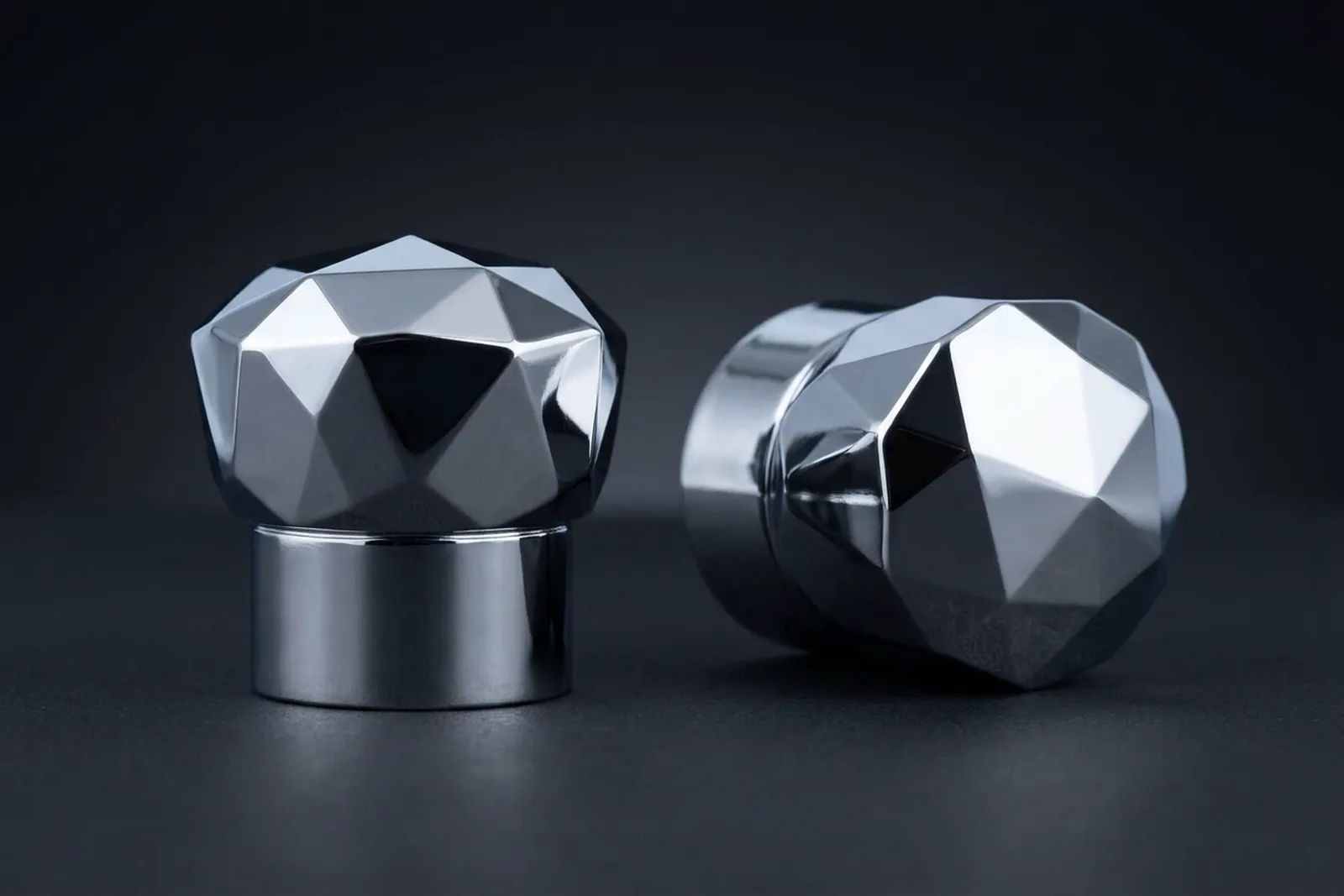
All design creativity focuses on the outer shell—this is the component consumers see and touch. You can customize four main elements: geometry, weight, surface finish, and branding. Zamak die casting handles geometric profiles, engraved relief, organic freeforms, and openwork detailing. In terms of weight, zinc alloy has over six times the density of plastic, providing a signature premium heft. Cap manufacturers typically offer three weight tiers: lightweight (24–37g), standard (42–57g), and heavy (59–124g). If an intricate cutout shell ends up too light, internal metal ballast weights can restore that solid hand feel—the heavy weight of luxury caps is intentional engineering. Finishing options are extensive: full-spectrum electroplating, brushed textures, sandblasting, leather wrapping, and rhinestone inlays. Logos can be debossed, embossed, or laser-engraved with tolerances down to 0.05 mm.
The only fixed constraint is the internal geometry: the shell’s inner cavity must house the standard insert, with locking groove positions aligned to the insert’s ribs. The minimum height equals the insert height plus the top wall thickness. Inserts lock mechanically into the shell rather than relying on glue; the inner shell wall features retention grooves and anti-rotation ribs that permanently secure the plastic insert upon press-fitting. Die casting engineers must account for electroplating thickness: uneven plating buildup reduces internal clearances, making insert insertion difficult. We calculate plating tolerances into the CAD models before cutting metal.
If you want magnetic alignment—where the cap automatically pulls itself into position with a satisfying click—magnets sit between the insert and the outer shell. This remains an optional shell-level feature that doesn’t alter your base insert selection.
To avoid upfront tooling costs entirely, start with stock outer shells. The tooling already exists, so you simply select a profile. At Wbmetal, our WJ series includes over 20 stock shell designs covering round, square, and custom profiles. We support embossed logos, custom electroplated finishes, specialty coatings, and varied leather wraps on these standard shapes. Changing colors, plating baths, or logos requires zero mold investment. If stock profiles don’t match your brand vision, you only need to tool the outer shell. Single-cavity die-casting molds start at approximately $2,226.70 (15,000 CNY), producing one piece per shot. Because shell tooling bypasses snap-fit mechanics, it is far simpler and less expensive than a full cap mold.
Comparing the Three Production Paths
Manufacturing a zamak perfume cap generally follows three routes, differing in upfront tooling investment and minimum order quantities:
| Approach | Tooling Investment | Minimum Order Quantity (MOQ) |
|---|---|---|
| Stock Shell + Custom Decoration | $0 (existing tooling) | 3,000 units |
| Custom Shell Only + Standard Insert | From $2,226.70 (one-time fee) | ~5,000 units (requires die cast tooling) |
| Full Custom Tooling (Shell + Insert) | Full mold suite cost | 5,000 to 30,000+ units |
The 3,000 and 5,000 unit thresholds reflect standard tiered pricing from cap manufacturers—the same supplier might accept 3,000 pieces for an existing profile but require 5,000 for fully custom geometry. Packaging veterans in China’s manufacturing clusters note that stock molds can run smoothly from 5,000 to 10,000 units with high-end decorative treatments at low unit costs, while bespoke mold designs often target batch runs of 30,000 units or more. Lead times differ as well: stock silhouettes ship within 40 to 50 days after sample approval, while newly tooled molds add at least 30 days for tool fabrication and sampling.
The procurement dilemma mentioned earlier comes from assuming that a custom cap requires building every component from scratch. By decoupling the cap into a standard insert and a custom shell, you avoid plastic tooling fees and lower your MOQ barriers. Choosing the right path is straightforward: for initial orders around 3,000 bottles, a stock shell with custom plating and logos works best. For unique bottle shapes, tool only the outer shell and use a stock insert. Once production exceeds 5,000 to 10,000 units and demands proprietary snap retention, full mold tooling becomes practical. (Monobloc metal caps with direct-cast internal threads require dedicated tooling suites and fall outside this semi-custom strategy.)
Conclusion
Plastic caps dominate mass-market packaging, while zamak metal shells belong to prestige fragrance lines where weight and luxury hand-feel matter most.
If high tooling quotes have stalled your project, remember the division of labor: standard off-the-shelf inserts secure the neck closure, while the outer shell delivers your brand’s unique aesthetics, weight, and touch. If you have custom visual concepts but aren’t ready to amortize a full mold suite across tens of thousands of bottles, the semi-custom approach bridges the gap. Test your market using decorated stock shells, upgrade to custom shell casting when ready, and invest in full proprietary tooling only when order volumes justify it.
If you aren’t sure which path fits your timeline and budget, send us your 2D/3D design files or reference images. The engineering team at Wbmetal will check whether your bottle uses a 15 mm or 18 mm neck finish and match it with a compatible off-the-shelf insert—without spending a dime on tooling.