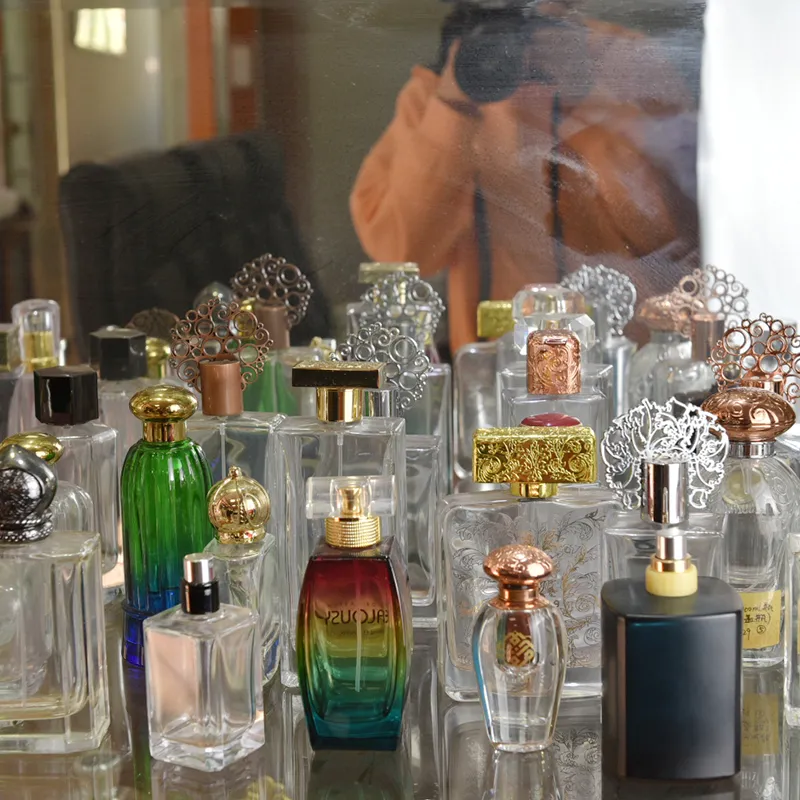
The perfume industry has always exuded a unique charm. It is not merely the art of fragrance, but also an expression of emotion and individuality. Every bottle of perfume carries the designer’s inspiration, the brand’s story, and the consumer’s pursuit of beauty. Within this experience, the importance of the perfume cap should never be overlooked. It is one of the very first elements consumers see. A well-designed perfume cap can instantly elevate the perceived value and premium positioning of a fragrance, while also serving as a powerful visual representation of brand identity.
As an experienced perfume cap manufacturer, our mission is to create perfume caps that perfectly complement the fragrance while possessing a distinctive appeal. By doing so, we enhance the overall product value and deliver both visual and tactile enjoyment to consumers.
I. Determine the Type of Perfume Cap
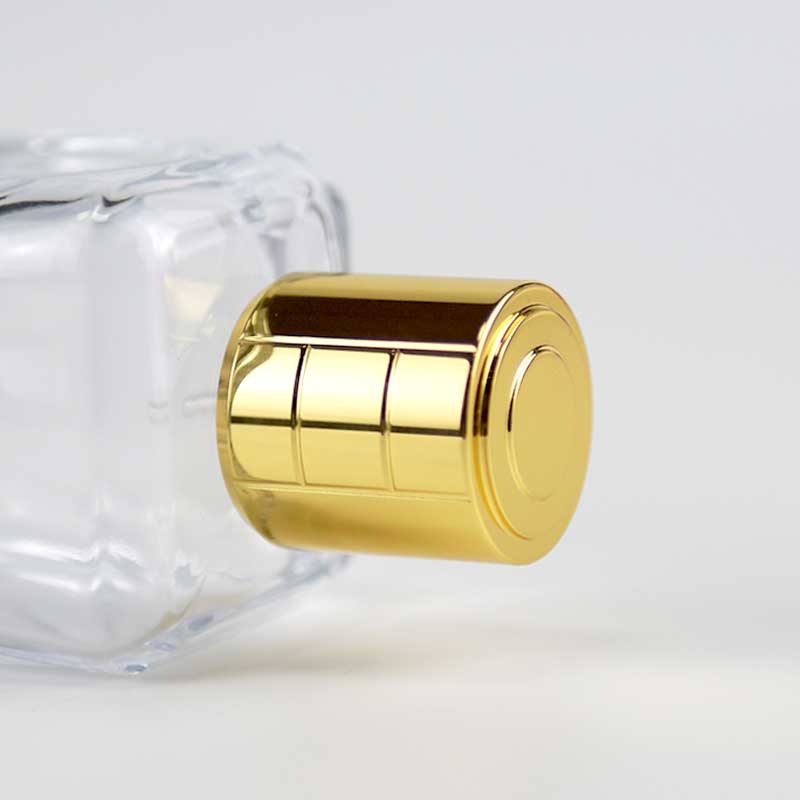
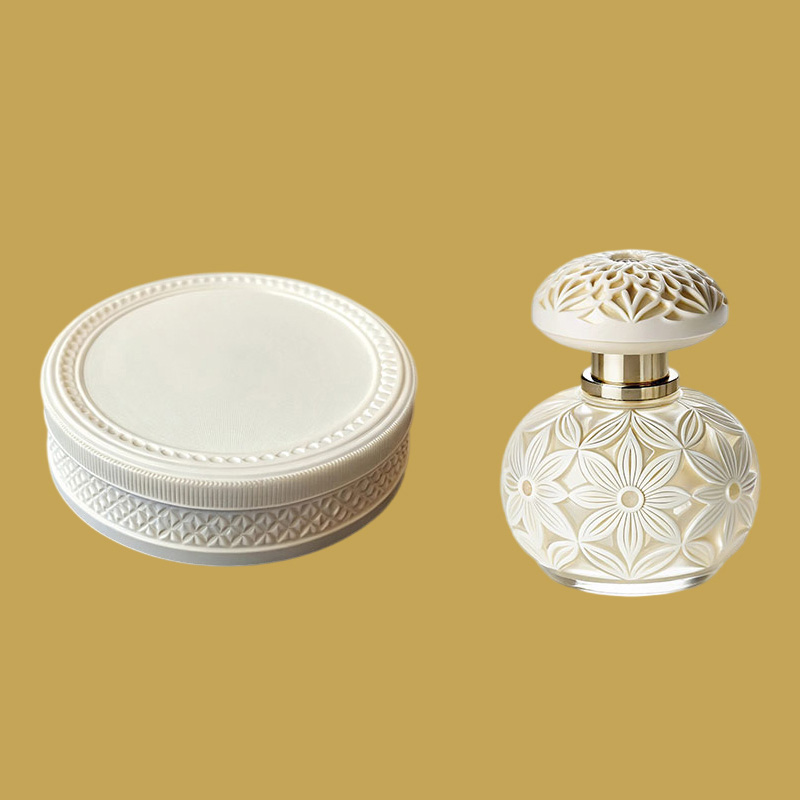
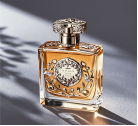
Common types of perfume caps include plastic perfume caps (such as PP and ABS materials), metal perfume caps (such as zinc alloy and aluminum alloy), as well as caps made from special materials or manufactured using specialized processes, including crystal and ceramic. You should select the appropriate material based on the perfume’s market positioning, style, and budget. For example, high-end luxury fragrances are better suited to metal perfume caps with refined engraving or electroplated finishes, while fresh, minimalist fragrances are more compatible with simple, plastic caps.
 |
 |
 |
II. Consider Design and Style
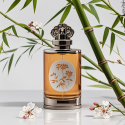
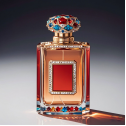
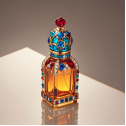
The design of a perfume cap should be visually consistent with the overall style of the perfume bottle and aligned with the aesthetic preferences of the target market. For instance, modern, fashion-forward fragrances pair well with clean, geometric shapes, while classical or romantic fragrances are better complemented by caps featuring decorative patterns or ornamental details. In addition, perfume caps can be customized to reflect brand identity or specific themes, creating truly distinctive designs.
 |
 |
 |
III. Pay Attention to Dimensions and Specifications
Ensure that the dimensions of the perfume cap match the bottle neck precisely to guarantee proper sealing performance. At the same time, the weight of the cap should be carefully considered—caps that are too heavy may negatively affect user experience, while caps that are too light can give an impression of low quality.
IV. Evaluate the Supplier
1. Review Samples
Request perfume cap samples from suppliers and carefully inspect the material quality, manufacturing precision, and surface finishing. For example, plastic perfume caps should be free of visible defects or scratches and display uniform color. In contrast, metal perfume caps should feature smooth, even electroplated surfaces with no bubbles, peeling, or imperfections. Additionally, check the fit between the cap and the bottle to ensure reliable sealing performance.
2. Understand the Manufacturing Process
Learn about the manufacturing processes used by the supplier, such as injection molding, die casting, or engraving, and confirm whether strict quality control procedures are in place. Advanced production technologies, combined with a comprehensive quality management system, help ensure consistent, stable product quality.
3. Review Certifications and Test Reports
If the supplier’s products have obtained relevant quality certifications (such as ISO 9001) or third-party inspection reports, this can serve as a strong indication of product reliability and manufacturing capability.
V. Service and Support
1. Communication and Responsiveness
During communication with suppliers, evaluate their response speed, professionalism, and willingness to cooperate. Effective communication is the foundation of a successful partnership. Suppliers who can address issues promptly and efficiently will contribute to a smoother collaboration.
2. Customization Services
If you have specific requirements regarding the design, dimensions, colors, or finishes of perfume caps, confirm whether the supplier offers customization services, as well as details regarding the customization process, costs, and lead times.
3. After-Sales Support
Review the supplier’s after-sales policies, including return or replacement terms and procedures for handling quality-related issues. A well-established after-sales support system helps minimize risks and ensures peace of mind.
VI. Sample Testing and Small-Batch Orders
1. Sample Testing
After shortlisting several suitable suppliers, request additional samples for practical testing. Install the samples onto perfume bottles to conduct sealing tests and durability tests, such as repeated opening and closing, to ensure the product meets real-world usage requirements.
2. Small-Batch Trial Orders
Once sample testing is approved, placing a small-batch trial order is recommended to further verify the supplier’s production capacity, product quality, and delivery performance. Small-scale cooperation provides valuable insights into the supplier’s actual capabilities and serves as a solid basis for future large-volume procurement.