I. Clarifying Requirements
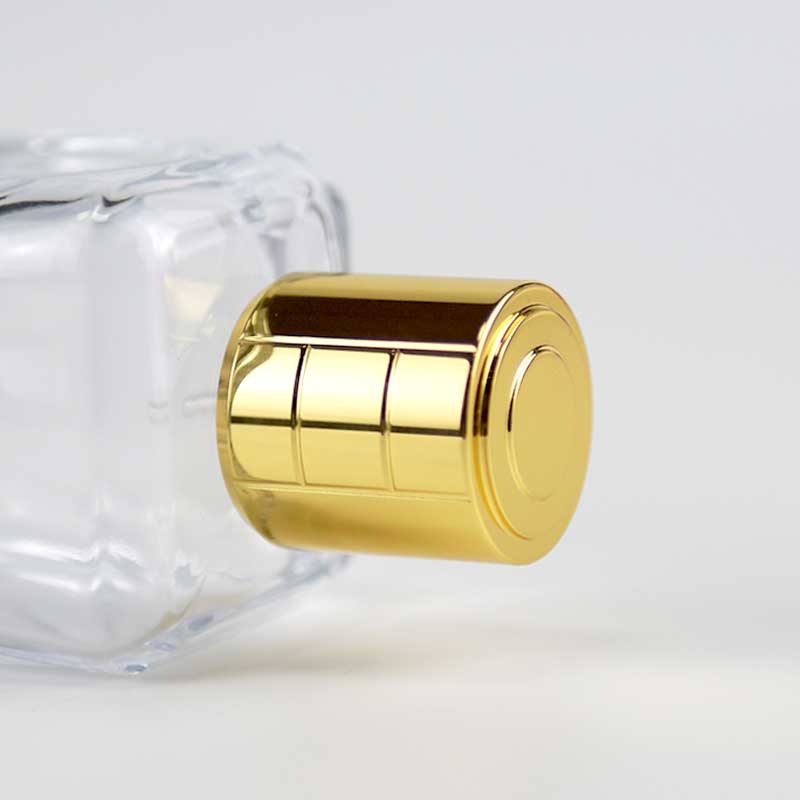
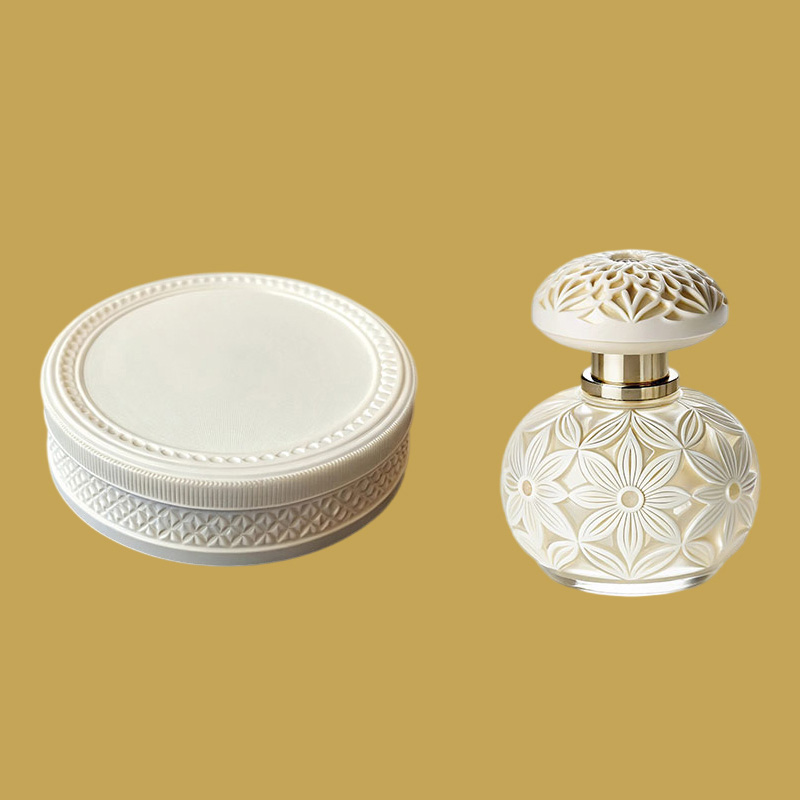
Before initiating the production of perfume caps, fragrance brands should first clearly define their product positioning—including brand style, target customers, and market trends—to ensure the perfume cap design aligns with the brand identity. It is essential to determine whether the cap should convey a luxury, high-end image or a minimalist, fresh aesthetic, and to clarify material preferences and whether special decorative elements are required.
Different materials result in distinct visual effects, costs, and production lead times. Communicating budget ranges and delivery schedules with suppliers in advance helps ensure a smooth project execution.
| Material Type | Key Features & Finish Options | MOQ (pcs) | Reference Unit Price (USD) | Sample Lead Time | Mass Production Lead Time |
|---|---|---|---|---|---|
| Zinc Alloy | Supports complex, high-precision shapes; wide range of colors and surface finishes available via electroplating and coating. | 5,000 | $0.86–1.29 | 7 days | 25–30 days |
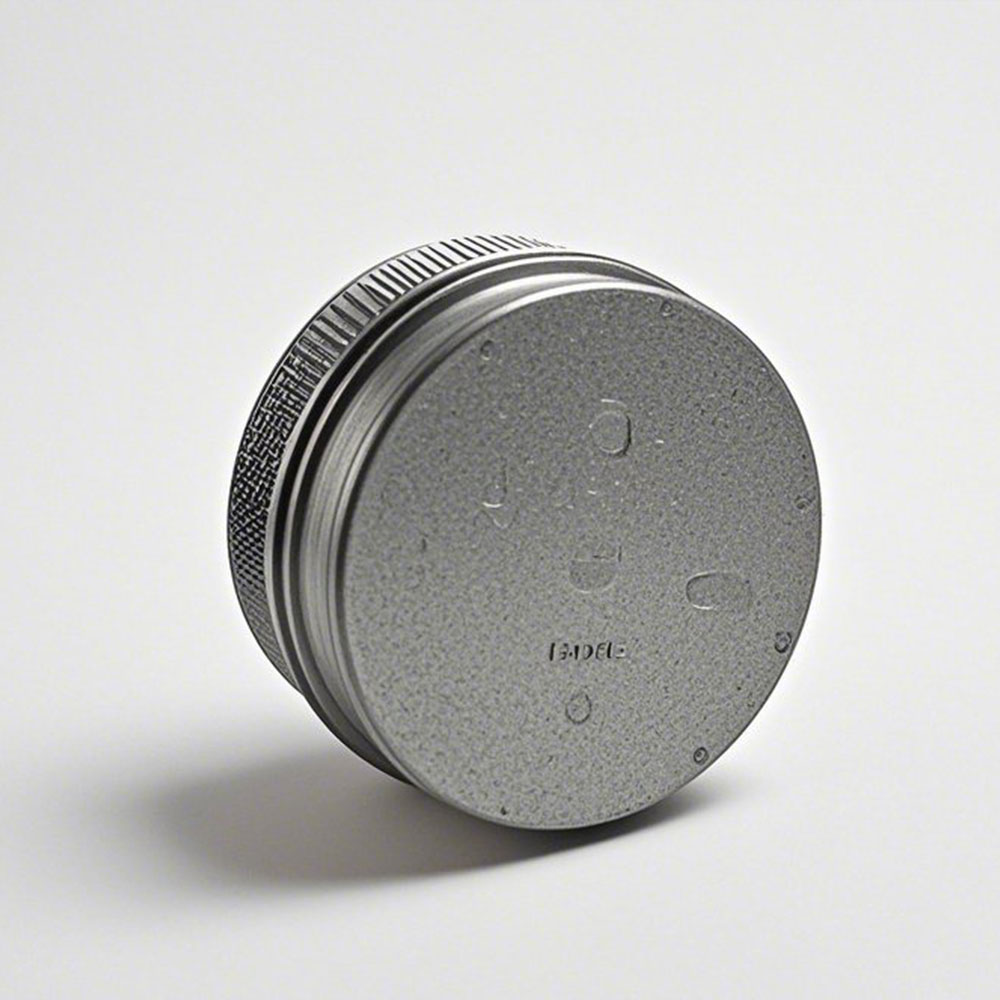
| Aluminum Alloy | Lightweight and corrosion-resistant; ideal for minimalist designs, with optional knurled or brushed finishes. | 5,000 | $0.57–1.00 | 7 days | 25–30 days |
II. Selecting a Professional Manufacturer
(1) Multi-Channel Sourcing
Custom die-casting hardware manufacturers can be identified through online searches, industry referrals, or trade exhibitions. Established manufacturers typically operate official websites. Submitting inquiries via the email addresses or phone numbers listed on these websites is both efficient and reliable.
(2) Regional Considerations
Production costs for perfume caps vary significantly by region. Generally, Southeast Asian developing countries offer cost advantages. In China, industrial hubs such as Shenzhen and Dongguan in Guangdong Province feature mature supply chains covering raw material sourcing, mold development, die casting, and post-processing. This integrated ecosystem ensures fast response times and high operational efficiency. A representative manufacturer is wbmetal Hardware Products Co., Ltd.
(3) In-Depth Supplier Evaluation
Once a suitable supplier is identified, brands should further assess the supplier’s service scope, certifications, technical capabilities, production scale, product quality, customization workflow, and after-sales support.

For example, wbmetal Hardware Products Co., Ltd. specializes in zinc and aluminum alloy die-cast perfume caps and liquor bottle caps. The company is certified to ISO 9001 and SA 8000 standards and operates automated production lines. It provides one-stop services including mold development, die casting, polishing, electroplating, and assembly. With stable quality control and reliable delivery schedules, wbmetal maintains long-term cooperation with international brands such as L’Oréal.
Perfume Cap Production Line
III. Information and Key Considerations for Brands
(1) Availability of 3D Drawings or Physical Samples
If the brand possesses 3D design files or physical samples, these should be provided during the inquiry stage to facilitate accurate evaluation of mold costs and unit pricing.
(2) Sketches or Concept-Only Designs
If 3D files are not available, brands may submit design sketches, reference images, or written design briefs outlining requirements for shape, texture, patterns, and brand elements. The manufacturer’s design team can then develop creative concepts and 3D models accordingly.
(3) Confidentiality Considerations
Before submitting drawings, brands should take precautions to prevent design leakage and may sign a Non-Disclosure Agreement (NDA) with the supplier. wbmetal strictly protects client designs and offers formal NDA signing services. The company employs more than ten professional engineers dedicated to mold feasibility analysis and quotation evaluation.

Perfume Cap Production Line
IV. Sample Confirmation
Before mass production, the manufacturer will produce pre-production samples of the perfume caps for customer approval. Brands should carefully inspect the appearance and quality of the samples and compare them against the approved design specifications. Adjustments can be requested if necessary. Mass production begins only after final sample confirmation and formal production order approval.
V. Defining Production Requirements and Quality Acceptance Standards
Before production, both parties must clearly define quality control standards and acceptance criteria. wbmetal strictly adheres to ISO 9001 quality management standards to ensure product stability and consistency.
(1) Dimensional Accuracy
Dimensional tolerances can be controlled within ±0.05 mm, ensuring smooth thread engagement and proper fit with the bottle neck.
(2) Appearance Quality
Surfaces must be smooth and free from scratches, dents, bubbles, or porosity. Color variation is controlled through spectrophotometer testing. Electroplated and coated surfaces must be uniform, firmly adhered, and resistant to peeling.
(3) Material Requirements
Only compliant zinc and aluminum alloy materials are used, ensuring adequate hardness and mechanical strength for functional use.
(4) Sealing Performance
After assembly, the cap must provide reliable sealing performance. This is verified through pressure testing or immersion testing.
(5) Sampling Inspection
Random sampling inspections are conducted at a rate of no less than 5% to ensure batch-level consistency and quality stability.
(6) Defective Product Handling
Root causes of defects are analyzed, and corrective actions are implemented, such as process optimization, raw material replacement, or enhanced quality inspection procedures.
(7) Delivery and After-Sales Support
Brands should evaluate the supplier’s after-sales service capabilities. wbmetal provides dedicated one-on-one account management, promptly responds to customer feedback, and actively tracks and resolves quality issues to ensure customer satisfaction.
VI. Conclusion
Custom perfume cap development requires close collaboration between brands and manufacturers. Brands should clearly define requirements, select reliable suppliers, and actively participate in the design and validation process. Effective communication and rigorous quality control are key to ensuring smooth project execution and achieving high-quality results.