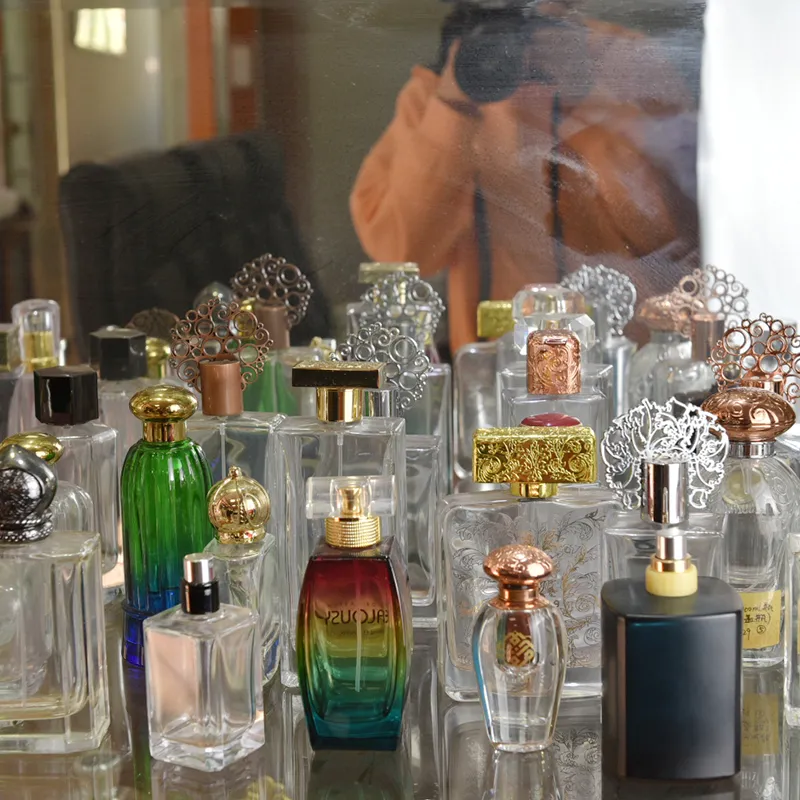
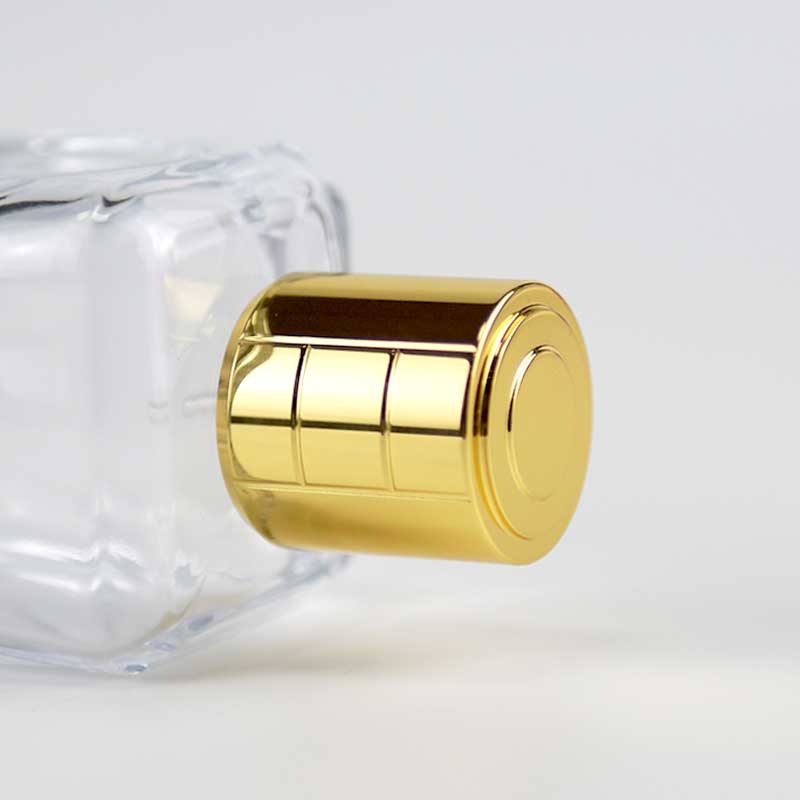
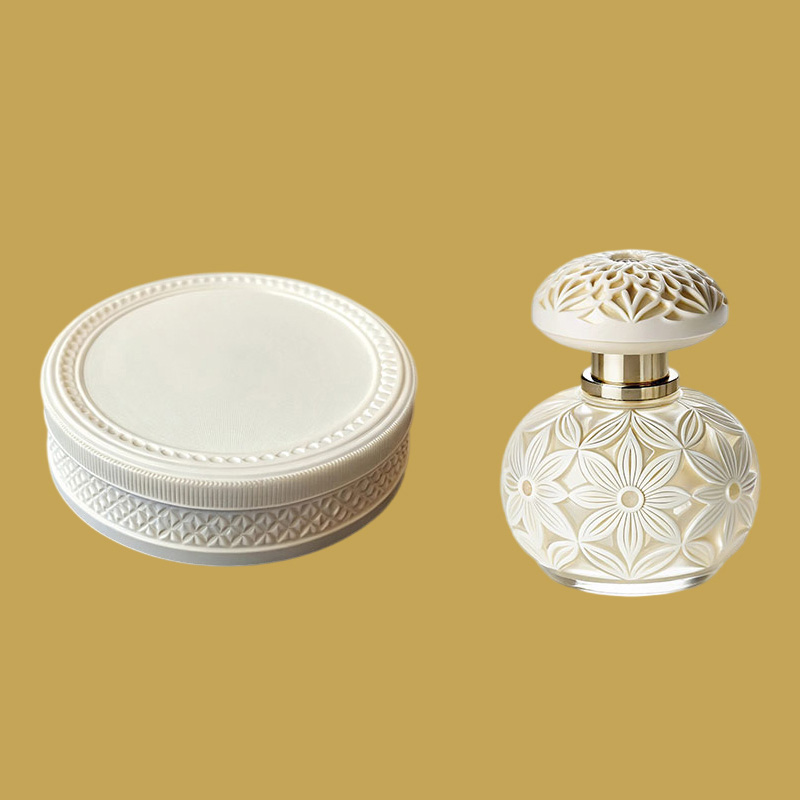
Zinc alloy perfume caps have become core components for high-end perfumes and customized gift products due to their premium tactile feel and diverse surface finishing options such as electroplating, brushing, and enamel coating. However, export orders place extremely high demands on manufacturers in terms of production precision, compliance capability, and delivery reliability.
Choosing the right factory can increase order profit margins by up to 20%, while choosing the wrong one may lead to customer claims caused by plating peeling, corrosion issues, or delayed delivery. From the combined perspectives of procurement, clients, and market realities, this article explains how to accurately identify zinc alloy perfume cap factories capable of handling export orders—and how to avoid over 90% of common cooperation risks.

I. A Zinc Alloy Perfume Cap Factory Capable of Export Orders Must Meet These 3 Core Criteria
(Key indicators jointly valued by buyers, clients, and the market)
1. Manufacturing Process & Customization Capability: Matching Both Aesthetics and Functionality
The core competitiveness of zinc alloy perfume caps lies in details: plating uniformity (fingerprint resistance and corrosion resistance), edge finishing (burr-free), and opening/closing sealing performance (to prevent fragrance leakage). A qualified factory must have:
- Production Equipment: Zinc alloy die-casting machines (tonnage suitable for small precision components, such as 100–200 tons), CNC engraving machines for logo and pattern detailing, and vacuum electroplating lines supporting premium finishes like rose gold and gunmetal black;
- Customization Flexibility: Acceptance of small trial orders (MOQ 3,000–5,000 pieces), support for laser engraving, epoxy filling, enamel coating, and the ability to provide sampling drawings within 3–7 days;
- Material Control: Use of environmentally compliant zinc alloys (such as Zamak 3 or Zamak 5), with SGS material testing reports confirming lead and cadmium content compliance with EU REACH regulations.
2. Export Compliance & Delivery Capability: Preventing Customs Delays and Order Risks
The “hidden barriers” of export orders often lie in compliance details. A reliable factory should proactively provide:
- Export Qualifications: Valid export registration records (verifiable via official business databases), and export history to European and North American markets within the past year. Export data can be verified through customs platforms using HS Code 83099000 for zinc alloy products;
- Delivery Assurance: Clearly defined timelines, including mold development cycles (20–35 days, covering design review, machining, and trial adjustments) plus mass production cycles (15–25 days). Contracts should specify delay penalties (e.g., 0.3% of order value per day, aligned with common international trade practices of 0.1%–0.5%).
3. Communication & Cooperation Level: Small Orders Are Still Taken Seriously
Startups and small buyers often fear being ignored by factories. A trustworthy factory will demonstrate:
- Dedicated Contact Personnel: Direct communication with the owner or an experienced export sales manager (not interns), response to emails or WhatsApp within 24 hours, and proactive sharing of dimension drawings and packaging solutions (e.g., waterproof bubble bags plus cartons to prevent moisture damage during sea freight);
- Information Transparency: Willingness to provide production workshop videos (showing die casting and polishing lines), recent export customs declarations (within the last 3 months) to prove order stability, and third-party audit reports such as ISO 9001 quality management certification;
- No Boundary Violations: No probing into buyer information (such as asking “Which brand is your customer?”), and clear contract clauses prohibiting direct contact with end clients.

II. A 4-Step Process to Screen Zinc Alloy Perfume Cap Export Factories and Improve Efficiency by 80%
(Combining online and offline channels, from broad selection to precise matching)
1. Channels: Three Cost-Effective Ways to Find Qualified Factories
- 1688 Platform Screening: Search keywords such as “zinc alloy perfume cap factory,” filter for “Verified Manufacturers” and “Factory Certification,” and prioritize listings labeled “Export Supported” and “Customization Available.” Focus on factory profiles showing production equipment (e.g., die-casting machine models) and export regions;
- Industrial Cluster Visits: Dongguan (Guangdong) and Wenzhou (Zhejiang) are key production hubs for zinc alloy components. On-site visits help verify whether factories operate in-house electroplating workshops (outsourced plating often leads to quality instability). Request high-gloss mirror samples on-site to test polishing capability;
- Reverse Search via Customs Data: Use HS Code 83099000 to identify the top 20 exporters of zinc alloy perfume caps over the past year. Focus on export frequency (stable shipments of 3–5 orders per month) and client types (perfume brands or gift importers).
2. Identification: Three “Fake Factory” Red Flags — Skip Immediately
- Only emphasizing “lower price for higher volume” while refusing small trial orders (e.g., MOQ starting at 10,000 units), which does not suit export test sales;
- Inability to provide salt spray test reports for plating durability (zinc alloy perfume caps should pass at least 48 hours of salt spray testing to prevent corrosion-related complaints);
- Requesting upfront mold fees without a formal contract (standard practice requires both a mold fee agreement and a signed contract, with balance payment after mass production confirmation).
3. Cooperation: Two Critical Clauses Must Be Included in the Contract
- Quality Agreement: Clearly state that mass production must match the pre-production sample, with plating thickness ≥ 8μm, adhesion performance meeting ASTM D3359 standards, and free replacement if the damage rate exceeds 3%;
- Delivery Breach Clause: Specify penalties for mold delivery delays exceeding 5 days and mass production delays exceeding 7 days, with compensation based on industry-standard percentages.
4. Backup Strategy: Always Maintain at Least Two Alternative Factories
During peak production seasons (especially Q4 gift seasons), zinc alloy perfume cap factories often face order prioritization conflicts. It is recommended to secure 1–2 backup factories in advance through industry referrals or trade exhibitions (such as the Shanghai International Packaging Exhibition), ensuring they can quote and deliver based on identical mold specifications.
Conclusion: Choosing a Factory Is Choosing a Long-Term Partner
Export orders for zinc alloy perfume caps are not about pursuing the lowest price, but about balancing process stability, delivery reliability, and cooperation efficiency.
Always prioritize factories willing to grow with you from small trial orders. These partners value long-term collaboration and are more likely to proactively assist with plating color consistency, customs documentation, and compliance details.
By following the above screening approach, you can effectively avoid the three most common export pitfalls—“samples approved but poor mass production,” delivery delays, and customer poaching—transforming your export orders from high-risk ventures into stable, profitable businesses.