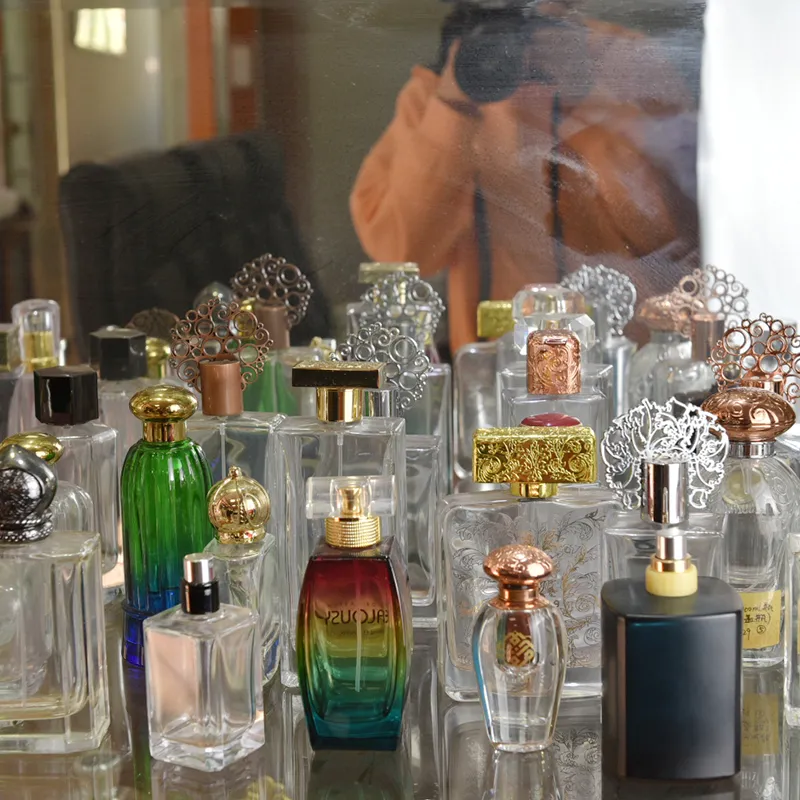
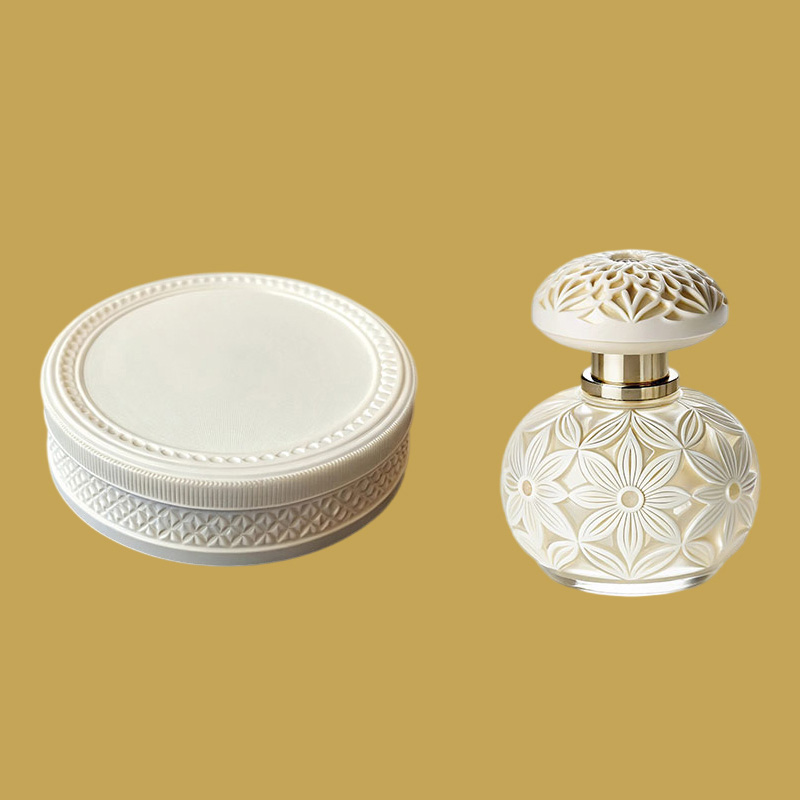
When sourcing zinc alloy products, buyers often face significant price discrepancies, vague factory explanations, substandard plating thickness, or material substitution. These issues can affect product quality and cost control. This article draws on wbmetal Hardware’s real-world procurement experience in manufacturing zinc alloy perfume caps. It aims to provide industry partners with practical reference points for early evaluation.
Significant Price Gaps: The “Vague Explanations” Behind a USD 1.14–2.14 Difference
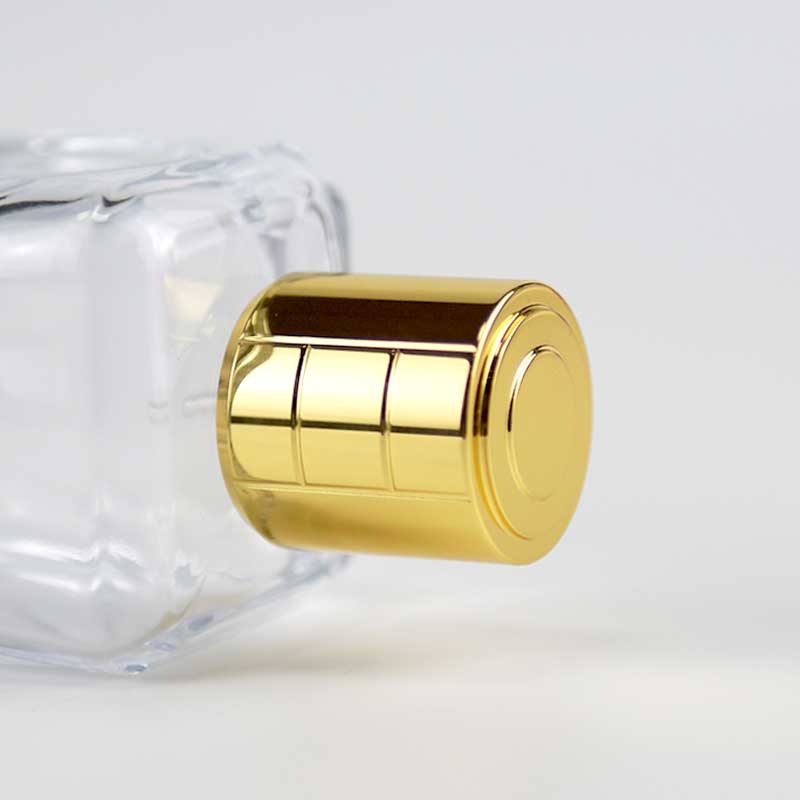
In procurement projects, it is common for zinc alloy perfume caps of identical specifications—30 g weight, 38 mm diameter, matte spray coating with a laser-engraved logo—to receive quotes ranging from about USD 1.14 to USD 2.14 per piece, a nearly twofold difference. This price range reflects specific cases; actual quotations should be evaluated based on order volume and process complexity.
When buyers ask about these price differences, factories often give vague answers such as “different processes” or “different materials,” without providing concrete details. In reality, these gaps usually hide cost-cutting practices. Low-priced options may use recycled zinc alloy (raw material costs of about USD 286–571 per metric ton, lower than virgin material), plating thickness of only 5 μm instead of the standard 8 μm, or manual polishing instead of automated polishing (reducing labor costs by about 20%). Reasonable quotations usually include virgin zinc alloy, compliant plating thickness, and automated processing. These factors explain the cost differences.
Hidden Traps in Materials and Processes: A 3 μm Plating Gap and Zinc-Aluminum Alloy Posing as Pure Zinc Alloy
Beyond pricing, hidden risks in materials and processes require greater vigilance. Sample inspections have found a plating thickness of only 5 μm, despite an agreed 8 μm, resulting in corrosion spots after just 24 hours of salt spray testing. In more severe cases, zinc-aluminum alloy was used instead of pure zinc alloy like Zamak 5.
Pure zinc alloy compositions are governed by strict standards: aluminum (Al) 3.5–4.3%, copper (Cu) 0.7–1.1%, magnesium (Mg) 0.03–0.08%, and impurity lead (Pb) ≤ 0.004% (compliant with EU REACH regulations). In contrast, zinc-aluminum alloys often contain excessive aluminum (for example, up to 6%), which significantly increases brittleness and makes products prone to cracking during assembly.
Essential Pre-Purchase Actions: Risk Prevention Through Test Reports and Third-Party Inspection
To control risks at the source, two critical steps must be taken before procurement:
First, before sampling, require the factory to provide mass-production inspection reports from the past 6 months for the same material (zinc alloy) and process (e.g., matte spray coating with an embossed logo). These reports should include key data, such as dimensional tolerances (diameter ±0.1 mm) and hardness (≥85 HB), to enable an initial assessment of production stability.
Second, require third-party inspection reports. Give priority to inspection agencies in China with dual CNAS/CMA accreditation. Test items should cover material composition (Al/Cu/Mg content), plating thickness (measured by X-ray fluorescence spectroscopy), and heavy metal content (REACH compliance). Objective data is essential to verify material authenticity and process compliance.
Conclusion
To avoid pitfalls when sourcing zinc alloy products, avoid being misled by vague factory explanations of price differences. Buyers must analyze raw material and process cost structures, strictly verify material composition (such as Al and Cu content) and plating thickness (ensuring the actual value does not fall more than 3 μm below the agreed specification), and stay alert to zinc-aluminum alloy being used as a substitute for pure zinc alloy.
By requesting mass-production inspection reports for identical processes and conducting authoritative third-party testing (with preference for CNAS/CMA-accredited agencies), buyers can effectively control quality risks from the source.
Practical Risk-Avoidance Tips
- Require suppliers to itemize raw material and process costs in quotations
- Prioritize third-party inspection agencies with CNAS/CMA dual accreditation in China
- Retain material samples during prototyping for future re-testing and verification