When searching for a zinc alloy perfume cap manufacturing supplier, it is essential to communicate clearly with the factory and confirm several critical technical issues in advance. How can product quality be ensured during the die casting process? And how should quality problems be handled if they occur? Below, a senior technician with more than 20 years of die-casting experience will explain common defects that may occur during die-casting production and their root causes.
I. Porosity Defects
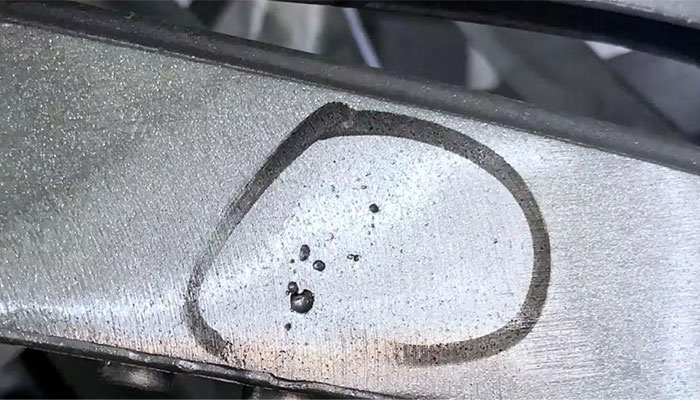
When porosity defects occur, small bubbles or voids can be observed on the surface or inside the perfume cap. The surface becomes uneven and lacks refinement. In practical use, such defects reduce mechanical strength, making the cap prone to deformation or fracture.
Cause Analysis
1. Raw Material Handling:
If zinc alloy ingots are not properly protected from moisture during storage, excessive gas content may be present in the raw material. Once the ingots are melted, these gases can become trapped in the molten metal, leading to porosity.
2. Die Casting Process:
An improperly designed gating system can cause turbulent metal flow, entrapping air, and forming porosity. In addition, if molten metal is injected into the mold cavity at an excessively high speed, the existing air inside the cavity may not be expelled in time, as pouring water into a container too quickly can trap air bubbles. These air pockets become enclosed by the molten metal and eventually form pores.
3. Mold Factors:
Air inside the mold cavity must be discharged through venting channels. If vent grooves are insufficient in number, too shallow, or blocked, trapped gas cannot be fully expelled, leading to porosity defects.
II. Shrinkage Defects
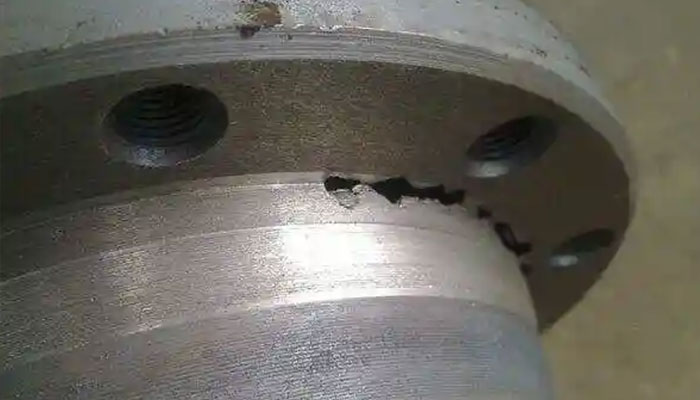
This defect is not limited to plastic injection molding; it is also common in die casting. When product wall thickness is excessive, surface depressions or internal voids may form, resulting in dimensional deviation and a poor fit between the perfume cap and the bottle neck.
Cause Analysis
1. Metal Solidification Characteristics:
Similar to the principle of thermal expansion and contraction, molten metal shrinks in volume as it cools and solidifies. If the wall thickness is uneven, thin sections solidify first and can still be compensated for by surrounding molten metal. However, thick sections solidify more slowly; once the overall metal begins to solidify, liquid metal can no longer compensate, resulting in shrinkage cavities.
2. Die Casting Machine Parameters:
If injection pressure is insufficient or holding pressure time is too short, molten metal cannot compensate for shrinkage during solidification, leading to shrinkage defects.
3. Mold Design:
An improperly designed cooling system can cause localized areas to cool too quickly or too slowly, disrupting the solidification sequence and feeding efficiency.
III. Flow Mark Defects
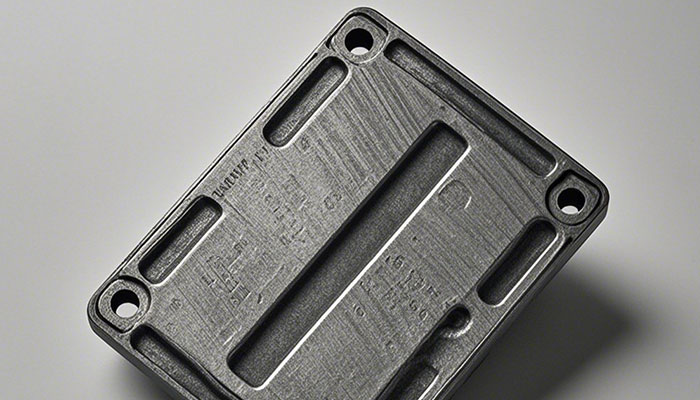
Flow marks appear as wave-like or streak-shaped patterns on the surface of the perfume cap. Affected areas exhibit noticeable differences in color and gloss compared to surrounding regions. Although primarily an appearance defect, flow marks significantly reduce the perceived quality and refinement of the product.
Cause Analysis
1. Molten Metal Flow Condition:
If molten metal temperature is uneven or flow velocity is unstable, flow marks are likely to occur. High-temperature areas exhibit good fluidity and slow solidification, while low-temperature areas flow poorly and solidify quickly. The boundary between these regions creates visible wave-like patterns.
2. Mold Surface Condition:
Rough cavity surfaces, oil contamination, or uneven application of release agents can all contribute to the formation of flow marks.
3. Die Casting Process Parameters:
Excessive fluctuations in injection speed or pressure, as well as improper runner or gate design, can cause unstable molten metal flow, resulting in flow marks.
IV. Cold Shut Defects
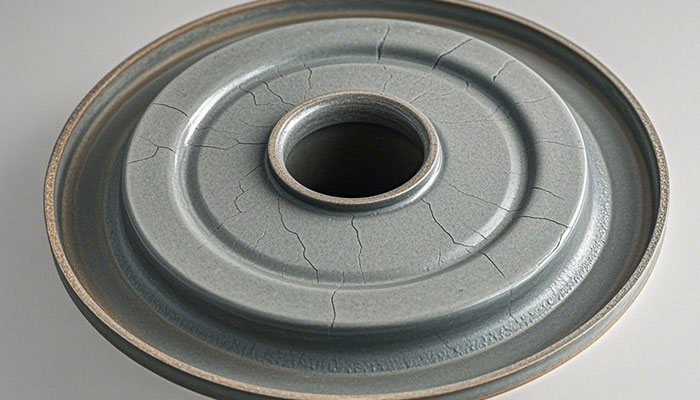
Cold shuts are common surface defects characterized by visible gaps or serrated lines. They occur when molten metal streams fail to fuse completely. Perfume caps with cold shut defects are prone to fragrance leakage, negatively affecting sealing performance and appearance.
Cause Analysis
1. Molten Metal Temperature:
If molten metal temperature is too low, fluidity decreases, preventing proper fusion inside the mold cavity and resulting in cold shuts.
2. Mold Temperature:
Uneven mold temperature can cause localized rapid solidification, obstructing the flow and fusion of subsequent molten metal.
3. Die Casting Parameters:
Low injection speed or prolonged filling time leads to excessive heat loss, reduced fluidity, and incomplete fusion.
V. Cracking Defects
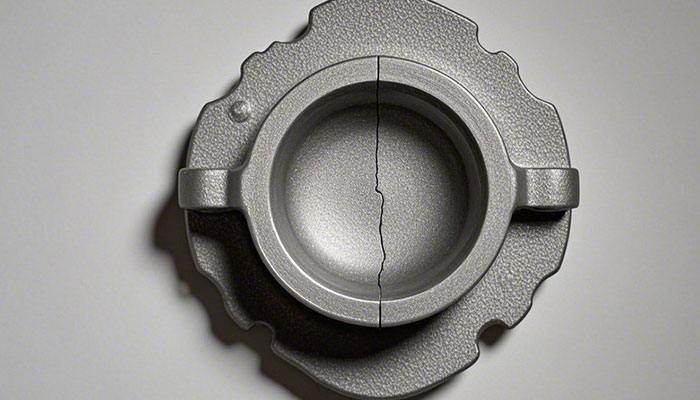
Zinc alloy perfume caps may exhibit hot cracks or cold cracks. Hot cracks typically occur during the final stage of solidification and appear irregularly shaped, while cold cracks occur at lower temperatures and often appear as straight lines. Cracks severely compromise product strength and service life, potentially rendering the cap unusable.
Cause Analysis
1. Alloy Composition and Microstructure:
Excessive impurity content increases brittleness, while coarse-grain structure reduces toughness, both of which increase the likelihood of cracking.
2. Die Casting Stress:
Internal stress generated during mold opening and cooling shrinkage can exceed material strength limits, resulting in cracking.
3. Mold Design and Process:
Improper draft angle design or inadequate ejection mechanisms can cause difficult demolding and stress concentration, ultimately leading to cracks.
Whether working with zinc alloy or aluminum alloy, understanding these potential die casting defects is highly beneficial when selecting a qualified perfume cap supplier. By evaluating a supplier’s mold development capability, factory scale, and technical expertise, high-quality die casting manufacturers can be identified—ensuring smooth project execution and consistent product quality.