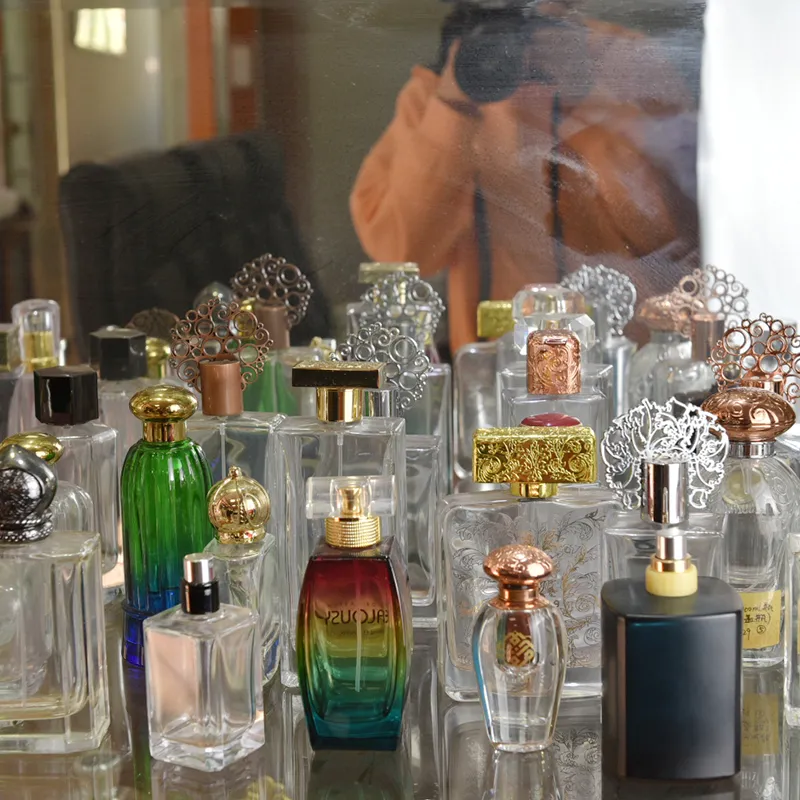
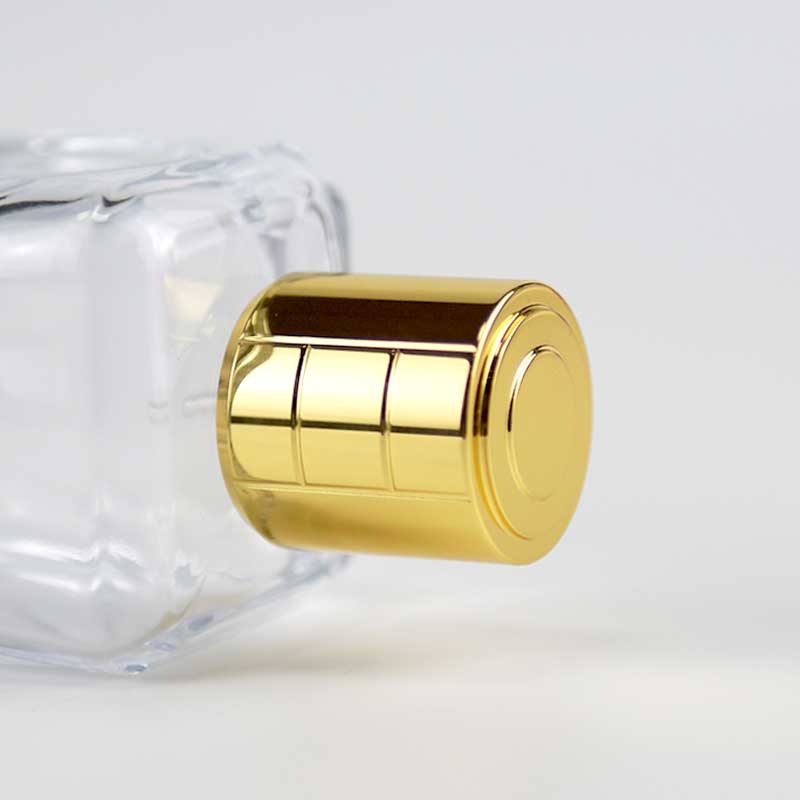
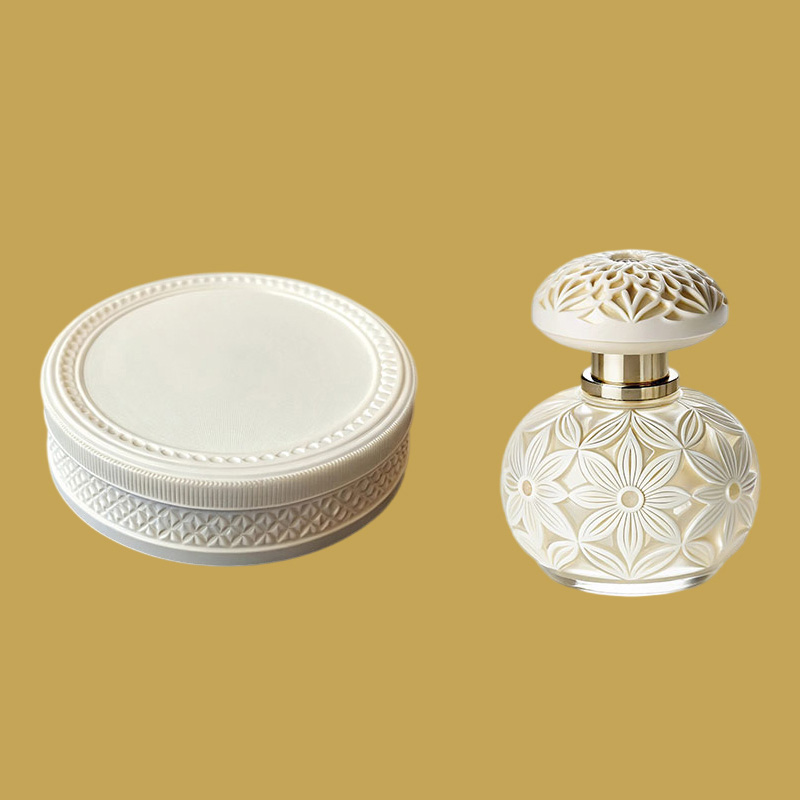
As a manufacturer specializing in zinc alloy (Zamac) and aluminum alloy perfume caps, WBMetal has long been deeply engaged in the material properties, manufacturing processes, and real-world applications of both alloys.
Within the perfume packaging industry, zinc alloy and aluminum alloy perfume caps do not compete directly; rather, they complement each other, as their material characteristics are fundamentally different.
However, in recent years, shifts in international market demand, regulatory pressure, and supply-chain economics have driven many manufacturers to explore or execute a transition from zinc alloy to aluminum alloy production.
Based on objective material properties and verified industry data, this article analyzes the core challenges, advantages, disadvantages, and global trends behind the zinc-to-aluminum transformation in perfume cap manufacturing.
I. Zinc Alloy vs. Aluminum Alloy Perfume Caps: Objective Differences in Material Properties
As the two mainstream materials used for perfume caps, zinc alloy and aluminum alloy differ significantly in their physical and processing characteristics. These differences form the technical foundation for any production transition.
Zinc Alloy (Zamac)
Zinc-based alloy containing aluminum and magnesium, with a melting point of approximately 380 °C.
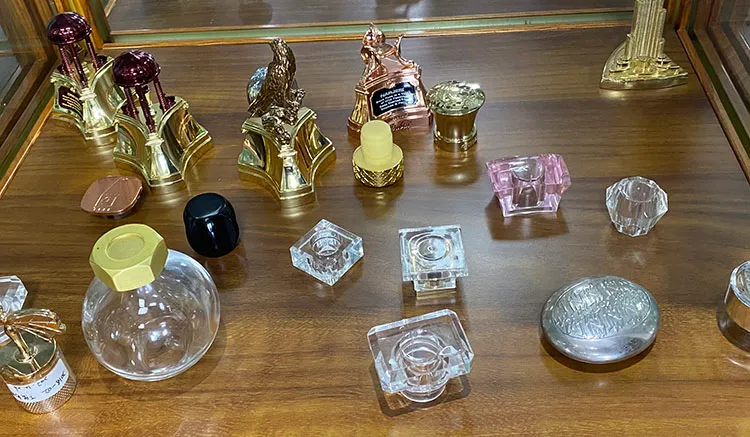
It offers excellent fluidity, making it highly suitable for die casting complex decorative details such as relief patterns, fine textures, and hollow structures.
Finished products have a high density (approximately 6.6 g/cm³), delivering a solid, premium hand feel.
Common surface finishes include electroplating and spray coating, enabling glossy metallic, mirror, or vintage effects.
Aluminum Alloy
Aluminum-based alloy containing copper and magnesium, with a melting point of approximately 660 °C.
It features a low density (around 2.7 g/cm³), roughly 40% of zinc alloy, providing a clear lightweight advantage.
Surface treatments such as anodizing and sandblasting create matte textures or natural metallic finishes.
In addition, aluminum naturally forms a stable oxide layer, offering excellent corrosion resistance.
II. Core Challenges in Transitioning from Zinc Alloy to Aluminum Alloy
Transitioning from zinc alloy to aluminum alloy production is not a simple material substitution. It requires overcoming multiple barriers related to process compatibility, cost structure, and quality control.
1. Process Compatibility Challenges
Zinc alloy die casting typically operates at lower temperatures (380–420 °C) and moderate pressures, commonly using 160–200T die casting machines.
In contrast, aluminum alloy requires much higher melting and casting temperatures (660–700 °C), increasing thermal load by 50%–70%.
Due to different flow behaviors, injection speeds must also be adjusted, typically increasing from 3–4 m/s to 5–6 m/s.
Mold requirements differ significantly as well. Aluminum alloy molds must withstand sustained high temperatures and therefore rely on hot-work tool steels such as H13, while zinc alloy molds often use cold-work tool steels like Cr12.
As a result, mold development costs increase substantially, with aluminum alloy molds typically costing 30%–50% more per set.
2. Short-Term Cost Structure Fluctuations
Aluminum alloy raw material prices are generally 1.2–1.5 times higher than zinc alloy.
Additionally, production conversion often requires equipment adjustments, including die casting machine parameter upgrades and the introduction of anodizing lines for surface finishing.
Although aluminum alloy’s lightweight nature can reduce long-term logistics costs—each cap weighs 30%–40% less, potentially lowering shipping costs by 20%–25% for orders of 100,000 units—manufacturers must absorb higher material and capital costs during the transition phase.
3. Differences in Quality Control Requirements
Zinc alloy exhibits higher hardness (HB80–90) and stronger resistance to deformation.
Aluminum alloy, with lower hardness (HB40–60), often requires process compensation such as increasing wall thickness by 0.2–0.3 mm, which may limit design flexibility.
Surface finishing also presents challenges. Zinc alloy electroplating and spray coating processes are mature and stable.
Aluminum alloy anodizing, by contrast, demands stricter pretreatment control—including degreasing and acid etching—and is more susceptible to color inconsistency and uneven oxide layers, increasing quality control complexity.
III. Advantages and Disadvantages of the Zinc-to-Aluminum Transition
The decision to transition depends on how material characteristics align with market expectations, resulting in clear trade-offs.
Advantages: Meeting Core Requirements of Modern Markets
Lightweight and Logistics Optimization
Aluminum alloy caps weigh approximately 40% of zinc alloy caps, reducing storage and transportation costs.
Industry data shows that European brands can increase shipment volume per batch by approximately 25%.
Environmental Compliance
Aluminum alloy is 100% recyclable without performance degradation, aligning with the EU Packaging and Packaging Waste Directive (PPWD, revised 2015/720/EU), which targets recycling rates of at least 85%.
Zinc alloy recycling systems are comparatively less standardized, making environmental certification more complex.
Alignment with Contemporary Design Trends
Global design preferences are shifting from ornate decoration toward material authenticity.
Aluminum alloy’s anodized matte and natural metallic finishes—such as silver and champagne gold—align well with minimalist aesthetics favored by Nordic and Japanese niche fragrance brands.
Disadvantages: Inherent Material Limitations
Higher Initial Cost Threshold
Due to higher material and equipment investment, aluminum alloy is less cost-effective for small-batch orders (typically below 10,000 units), making it better suited to large-scale production.
Strength Limitations in Certain Applications
For use cases involving frequent opening or impact—such as travel-size perfumes—aluminum alloy caps are more prone to deformation and often require internal inserts (e.g., ABS liners), increasing process complexity.
Perceived Tactile Difference
In some luxury markets, weight contributes strongly to perceived value.
Aluminum alloy’s lightweight feel may weaken this perception, particularly in Middle Eastern markets where gold-plated zinc alloy caps remain preferred.
IV. Global Trends: Aluminum Alloy Leading the Mainstream, Zinc Alloy Retaining Niche Applications
International market data shows a clear material divergence:
Aluminum Alloy as the Mainstream Choice
Driven by environmental regulations, rising logistics costs (global ocean freight rates increased by approximately 40% between 2020 and 2023), and minimalist design trends, aluminum alloy adoption increased from 35% in 2019 to 58% in 2023.
Among new product lines from international groups such as LVMH and Puig, aluminum alloy now accounts for over 60%.
Zinc Alloy Retaining Niche Applications
In scenarios requiring intricate detailing—such as Baroque-style sculpted caps for French niche perfumes—or high-weight luxury positioning in Middle Eastern markets, zinc alloy remains irreplaceable.
Its ability to reproduce die-cast textures as fine as 0.1 mm keeps its market share stable at approximately 30%–35%.
Conclusion
The transition between zinc alloy and aluminum alloy perfume caps is fundamentally a strategic alignment of material properties with evolving market demand.
As a manufacturer deeply rooted in this field, WBMetal recognizes the long-term value of both materials.
Aluminum alloy aligns with global trends through its lightweight structure and environmental advantages, while zinc alloy continues to deliver unmatched performance in specific high-end and decorative applications.
For manufacturers, material transition decisions should be guided by order volume, target market preferences, and long-term cost evaluation.
The complementary coexistence of zinc alloy and aluminum alloy will continue to shape a diversified and resilient global perfume packaging ecosystem.