I. Introduction
In today’s highly competitive perfume packaging industry, the ability to quickly and accurately verify the feasibility of custom perfume cap designs has become a critical factor for companies seeking to gain market advantage. As professional engineers with many years of experience in the perfume cap die-casting industry, we possess in-depth knowledge of every key process stage, supported by extensive hands-on expertise. In the following sections, we will explain in detail how we efficiently and reliably help clients address this core challenge.
II. Helping Clients Rapidly Realize Concept Samples
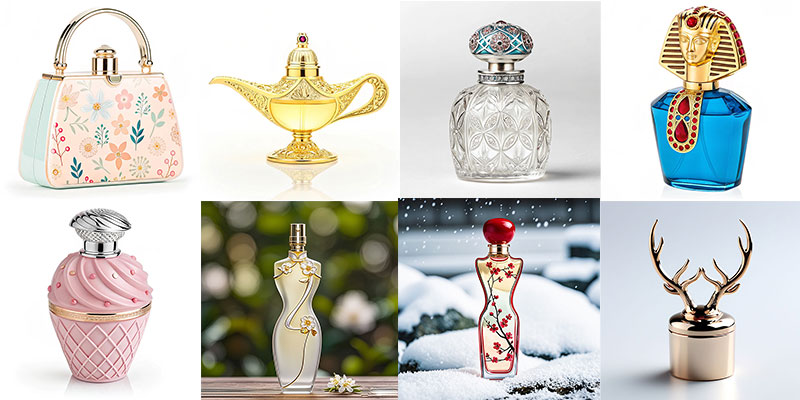
At the initial concept design stage, our 3D printing prototyping service plays a crucial role. When clients present unique perfume cap design concepts—whether complex irregular geometries or vintage-inspired designs with intricate textures and engravings—we leverage our professional 3D printing partner network to transform abstract ideas into tangible physical models efficiently.
These prototypes allow clients to visually and physically evaluate whether the design aligns with their brand positioning and the aesthetic preferences of the target consumer group. As a result, the time from creative inspiration to preliminary validation is significantly shortened, providing strong support for subsequent design optimization.
III. Millimeter-Level Dimensional Fine-Tuning
Once the initial design concept has been established, we utilize efficient and flexible 3D printing resources to produce multiple sample versions with slight dimensional variations rapidly. Compared with traditional mold modification methods, this approach greatly improves efficiency.
During fit testing between the cap and bottle neck, if minor dimensional deviations are identified—such as a slightly loose outer diameter or subtle thread pitch inaccuracies affecting the tightening feel—clients need to provide feedback. We immediately coordinate with the 3D printing team to make precise adjustments at the digital model level and deliver updated samples within a short timeframe.
Through multiple rounds of comparison and refinement, dimensional accuracy is ultimately brought into full alignment with brand expectations.
IV. Optimizing Form to Enhance Visual Appeal
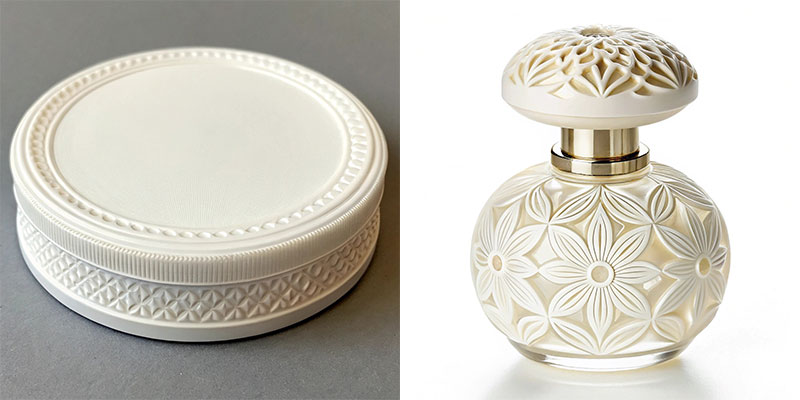
From an aesthetic design perspective, 3D printing technology is an indispensable tool for form optimization. As personalization trends continue to intensify in the perfume market, cap designs increasingly emphasize diversity and originality.
By reviewing 3D printed samples from multiple angles, clients can assess line continuity, curvature smoothness, and overall proportion. Combined with fashion trends, consumer feedback, and recommendations from professional design teams, design concepts can be continuously refined to create perfume caps that closely align with brand identity and offer strong visual recognition.
V. Preliminary Mechanical Performance Evaluation
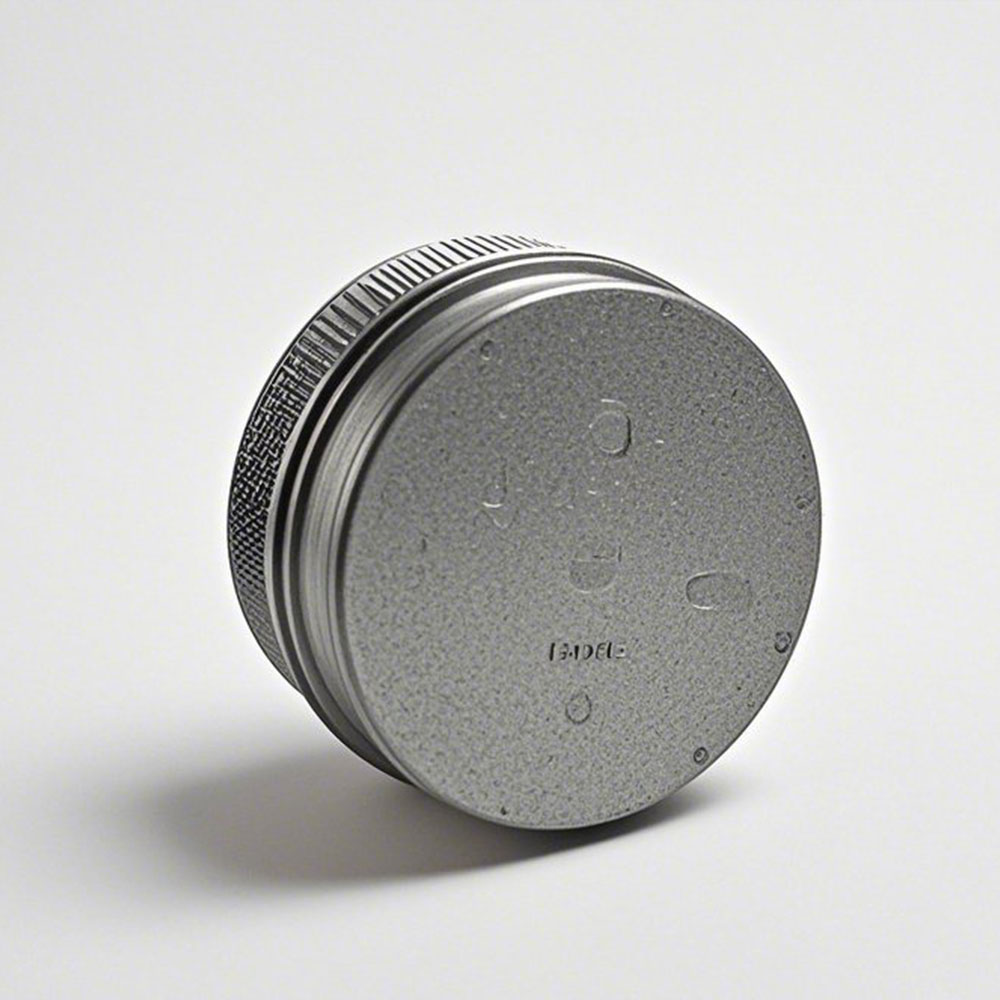
Although 3D printed samples are typically produced using substitute plastic materials, they still provide highly valuable reference data for predicting the mechanical performance of final zinc alloy die-cast products.
We simulate real-world usage scenarios by conducting high-frequency opening and closing tests, as well as minor impact tests, to evaluate the flexibility and durability of functional components such as snap-fit features and hinges. In one previous project, testing revealed slight deformation in the snap-fit mechanism after repeated use. Leveraging our engineering expertise, we quickly identified the underlying structural issue and optimized the design.
This proactive approach laid a solid foundation for subsequent zinc alloy die casting, ensuring that the final product achieved excellent mechanical strength and long-term reliability.
VI. Early Sealing Performance Testing
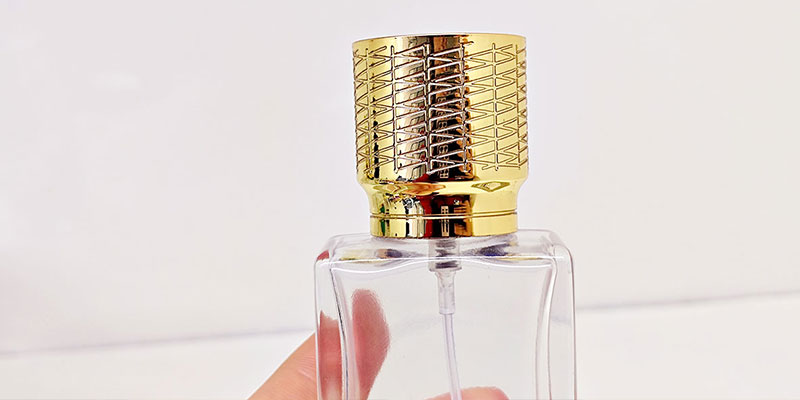
Sealing performance verification is conducted with equal rigor at the prototyping stage. By simulating various temperature and humidity conditions, we perform sealing tests on 3D-printed samples. High-precision inspection equipment is used to evaluate the tightness of contact between the cap and bottle neck, ensuring that no micro-gaps exist that could lead to fragrance evaporation or leakage.
Although differences exist between 3D printing materials and zinc alloy, test data enable us to optimize sealing structures in advance. Typical improvements include adjusting sealing lip thickness or refining contact angle parameters. These optimizations ensure the final die-cast product delivers excellent, durable sealing performance, providing long-term protection for the fragrance.
VII. 3D Printing Services Empowering the Entire Die Casting Workflow
The value of our 3D printing prototyping services extends well beyond the design validation stage. Dimensional and structural data confirmed through printed samples provide reliable references for subsequent mold design.
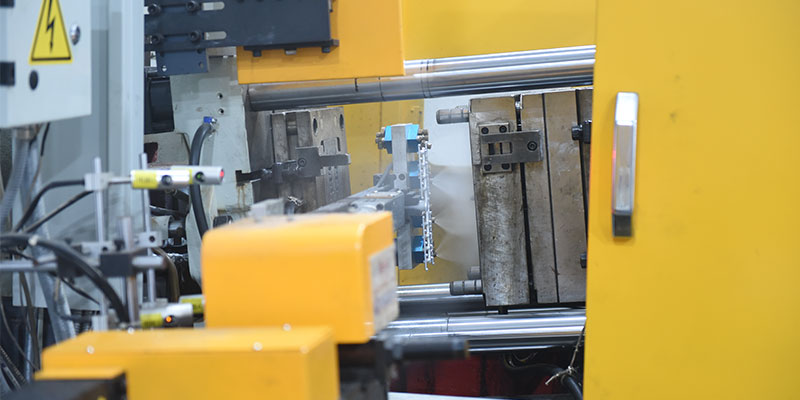
Mold parting line layouts, gate positioning, and runner system designs can all be precisely planned based on the validated sample structure. This approach effectively reduces the need for repeated mold modifications, significantly shortens tooling lead times, and lowers development costs.
During actual production, accumulated 3D data also helps production teams better understand product characteristics, optimize process parameters, and improve first-article qualification rates—allowing custom perfume caps to reach the market faster and with higher overall quality.
VIII. Conclusion
As senior engineers at a professional perfume cap die-casting manufacturer, we leverage 3D printing prototyping services to create an efficient and professional pathway for custom perfume cap design validation. From concept incubation and precise design optimization to performance verification and die casting production support, we comprehensively address market demand for high-quality, customized perfume caps—helping our clients achieve commercial success in the competitive perfume packaging industry.